Understanding MLM products: quality, safety and real value
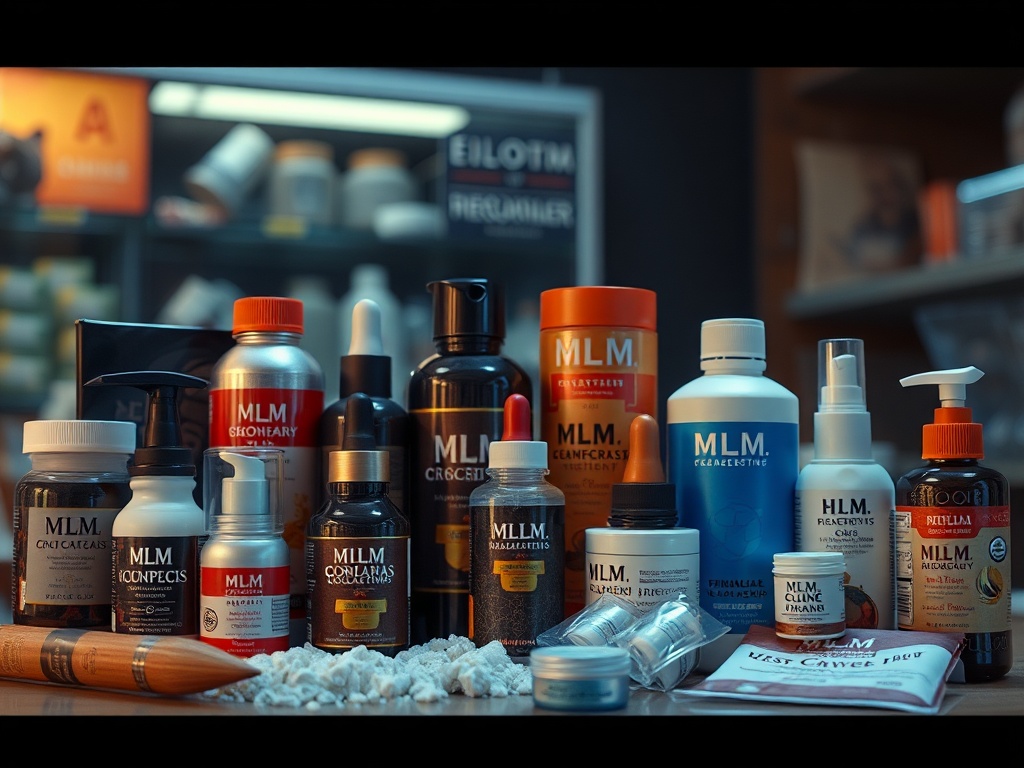
Multi-level marketing (MLM) companies sell a wide range of consumer products through independent distributors rather than traditional retail channels. Common product categories include dietary supplements, skincare and cosmetics, essential oils and home-cleaning formulas. Because distribution relies on personal networks, product perception often rides on testimonials and sales presentations rather than neutral retail exposure. That makes it important for both buyers and sellers to evaluate products critically.
What to watch for before buying or promoting an MLM product
– Ingredient transparency: Look for full ingredient lists and concentrations.
Avoid products that use vague terms like “proprietary blend” without clarifying amounts of key actives.
– Third-party testing: Independent lab reports or certification from recognized organizations adds credibility, especially for supplements and topical products.
– Clinical evidence: Check whether claims are supported by peer-reviewed research or well-designed clinical trials. Anecdotes and before/after photos don’t equal science.
– Safety and labeling: Products should include clear usage instructions, warnings, and allergen information. For ingestible items, verify manufacturing standards like GMP (good manufacturing practices).
– Pricing vs.
retail alternatives: Compare cost-per-use against similar products sold through traditional retail. MLM markups are common due to commission and compensation plans.
– Return and refund policies: A generous, straightforward return policy reduces buyer risk and signals confidence in the product.
Common product categories and specific considerations
– Supplements: Look for dosage transparency, expiration dates, batch numbers, and third-party testing for purity and contaminants.
If you have underlying health conditions or take medications, consult a healthcare professional before use.
– Skincare and cosmetics: Ingredients and potential irritants matter. Seek dermatologist-tested claims or clinical irritation testing for sensitive-skin products.
– Essential oils and aromatherapy: Quality ranges widely. Therapeutic claims should be treated cautiously; undiluted oils can cause skin reactions and should be handled with care.
– Household products: Efficacy claims for cleaning, sanitizing, or odor-control should be backed by testing. Safety data sheets (SDS) provide useful handling and hazard information.
Red flags that suggest caution
– High-pressure recruitment focused on selling rather than product benefits.
– Emphasis on income potential over product value or scientific support.
– Reluctance to provide documentation, lab tests, or ingredient breakdowns.
– Extraordinary claims (quick weight loss, cured conditions, guaranteed results) without rigorous evidence.
Tips for sellers and promoters
– Focus on product education: Share verifiable product information, test results, and unbiased reviews rather than relying solely on testimonials.
– Be transparent about pricing and compensation: Prospective customers and recruits appreciate clarity about margins, costs, and typical outcomes.
– Encourage compliance: Follow local advertising and health-claim regulations, and avoid making medical claims beyond what the product’s labeling permits.
Making informed choices
MLM products can offer real value, but they also require careful scrutiny. Prioritize transparency, scientific support, and safety documentation. When in doubt, compare the product to mainstream alternatives, consult independent reviews, and ask for lab or clinical data. A product worth recommending or keeping in your routine will stand up to objective questions about ingredients, efficacy and pricing.