How to Evaluate MLM Products: Quality, Claims, and Smart Buying Tips
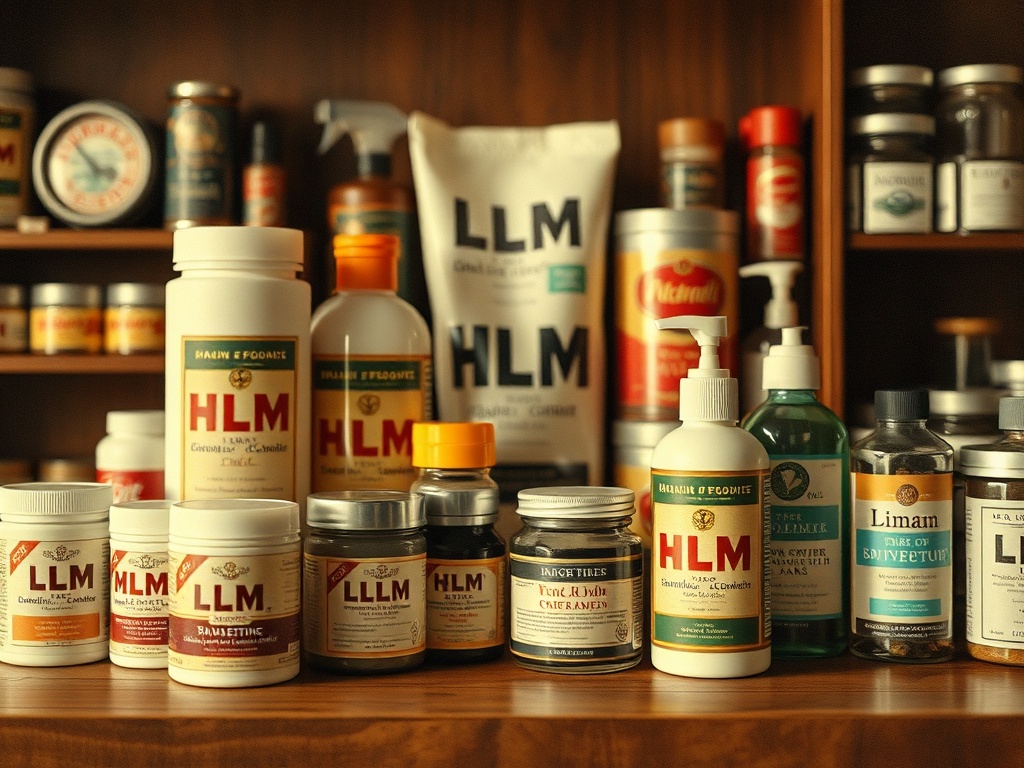
Multi-level marketing (MLM) companies sell a wide range of products — from dietary supplements and skincare to household cleaners and essential oils. Product quality can vary widely, and the marketing model often affects price and claims. Whether you’re buying from an MLM consultant or considering becoming a seller, here’s a practical guide to assess product value and reduce risk.
What to look for in product quality
– Ingredient transparency: Look for full ingredient lists, concentrations of active ingredients, and clear labeling.
Vague terms like “proprietary blend” can hide low doses of key actives.
– Third-party testing: Certificates of analysis (COAs) or independent lab tests for purity, potency, and contaminants lend credibility, especially for supplements and topical products.
– Manufacturing standards: Check if products are manufactured in facilities that follow recognized quality standards (e.g., GMP for supplements and cosmetics).
This indicates consistent production practices.
– Clinical evidence: Claims backed by peer-reviewed studies or clinical trials are stronger than anecdotal testimonials.
Be wary when only distributor stories are used to support health claims.
Common categories and specific cautions
– Supplements: Popular in MLMs. Watch for overstated benefits, complex dosing schedules, and interactions with medications. Consult a healthcare professional before starting any new supplement.
– Skincare and cosmetics: Active ingredient concentrations determine efficacy. Compare ingredient lists and product formulations to established brands rather than basing decisions solely on packaging or distributor claims.
– Essential oils and aromatherapy: Useful for fragrance and mood, but medical claims (e.g., curing infections) require scrutiny. Many oils can irritate skin or be unsafe when ingested.
– Household cleaners and personal care: Environmental and safety claims should be supported by testing or certification (e.g., third-party eco-labels).
How the MLM model affects product choice
MLM structures typically include multiple commission layers, which can increase retail prices. That can make similar mainstream products more expensive through MLM channels. Marketing often relies heavily on distributor testimonials and direct sales events rather than independent reviews, which can skew perception of effectiveness.
Red flags to watch for
– Heavy emphasis on recruitment over product sales. If recruiting is the main focus, product quality and genuine demand may be secondary.
– Inventory loading or pressure to buy starter kits with limited return options.
– Unverified or exaggerated income and health claims presented to attract recruits.
– Limited transparency about sourcing, manufacturing, or testing results.
Smart buying and selling tips
– Compare price per use: Calculate cost per dose or application and compare to non-MLM alternatives.
– Verify claims independently: Look for peer-reviewed research or reputable sources to support product benefits.
– Ask for documentation: Request COAs, manufacturing details, and clear ingredient breakdowns from the seller.
– Understand return and recall policies: Clear, customer-friendly return policies reduce risk when trying a new product.
– Trial before bulk purchase: Start with small quantities to test efficacy and tolerance before committing to larger purchases or subscriptions.
Consumers benefit most by focusing on ingredients, evidence, and value rather than marketing hype. With careful evaluation and a skeptical eye toward extraordinary claims, it’s possible to find high-quality products within MLM channels — but due diligence is essential.