MLM Products: How to Spot Quality, Avoid Pitfalls, and Sell Ethically
Multi-level marketing (MLM) products cover a wide range—from dietary supplements and skincare to household cleaners and wellness gadgets. Because these goods are often sold directly through independent distributors rather than traditional retail channels, it’s especially important for customers and sellers to evaluate product quality and business practices carefully.
What to look for as a buyer
– Ingredient transparency: Legitimate brands list full ingredient panels and explain what each component does. Watch for vague terms like “proprietary blend” when quantities matter.
– Third-party testing: Independent lab results or certifications (e.g., for purity, potency, or contamination) reduce uncertainty—especially for supplements and topical products.
– Clear usage instructions and warnings: Proper dosing, contraindications, and allergy information should be easy to find.
– Return and satisfaction policies: A fair money-back guarantee or trial program indicates confidence in the product and protects buyers from unwanted inventory or subscriptions.
– Real retail demand: Products with repeat customers and retail-style reviews tend to have more authentic market traction than items pushed mainly through recruitment.
Red flags to avoid
– Overblown health claims: Be wary of products that promise cures or guaranteed results. Responsible brands emphasize benefits and cite evidence rather than sensationalize outcomes.
– Inventory loading: If distributors are encouraged to buy large quantities without proven customer demand, that can indicate business-first priorities over product quality.
– Pressure selling: High-pressure tactics to recruit or push expensive starter kits often accompany poor product focus.
Tips for sellers: focus on product-first growth
– Prioritize product education: Create short, factual content that explains how the product works, who it helps, and what evidence supports it. Educational posts build trust more effectively than hype.
– Offer samples or small trial sizes: Lower-cost trials reduce friction for new customers and improve conversion without forcing large upfront purchases.
– Collect and display compliant social proof: Use customer testimonials that reflect typical experiences.
Avoid exaggerated claims and ensure reviews are authentic.
– Train on compliance: Make sure distributors know how to discuss the product responsibly, including what claims are allowed and how to handle questions about safety or interactions.
– Build a repeat customer strategy: Subscription programs, refill reminders, and loyalty incentives help products succeed on their own merits rather than relying solely on recruitment.
Positioning and packaging matter
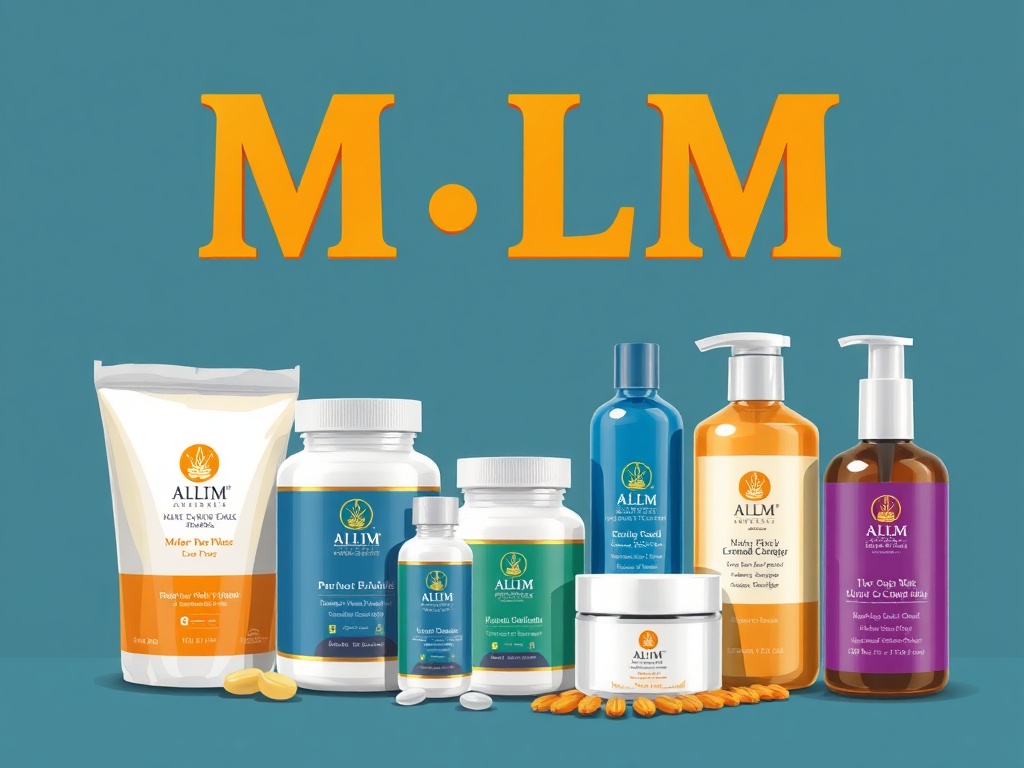
Packaging, sustainability, and transparency affect perceived value. Consumers increasingly expect recyclable packaging, clear sourcing details, and simple ingredient lists.
Investing in professional labeling and readable educational inserts can turn a skeptical prospect into a loyal customer.
Marketing without exaggeration
Effective marketing for MLM products emphasizes lifestyle fit, demonstrable benefits, and relatable stories. Use tutorials, before-and-after photos with consent, straightforward FAQs, and demonstrations of real use cases. Content that helps prospects make informed decisions performs better over time and reduces returns or complaints.
Final thought
Whether you’re buying or selling, treat MLM products like any other consumer purchase: scrutinize evidence, prioritize transparency, test before committing to large orders, and promote honest, product-first messaging. That approach builds long-term trust and sustainable sales.