Multi-Level Marketing (MLM) has become a popular business model, promising lucrative benefits and a flexible work schedule. At the core of this model are MLM products, which are as diverse as they are abundant. From health supplements and beauty products to home goods and financial services, MLM companies provide a vast array of products. Let’s delve into the world of MLM products and learn how they contribute to the profitability and sustainability of these businesses.
What are MLM Products?
MLM Products are the goods or services offered by MLM companies that distributors sell to end-users.
The product range can be incredibly diverse, spanning across various sectors such as health and wellness, beauty, household items, and more.
MLM products are typically unique to the company selling them, often advertised as exclusive or superior in quality.
Unique Selling Proposition (USP) in MLM Products
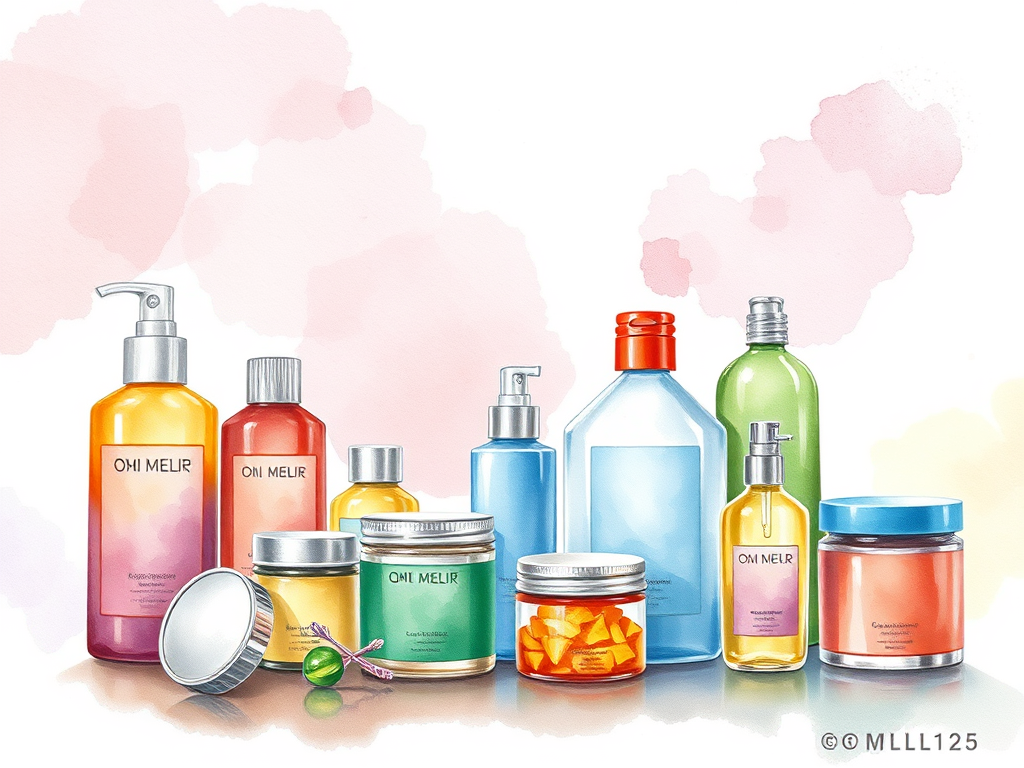
The USP of MLM products often plays a vital role in attracting and retaining distributors. Many MLM companies claim that their products are unique, with exceptional features not found in conventional retail products. This exclusivity can fuel the demand for the products, as distributors and end-users may perceive these offerings as superior or groundbreaking.
Quality Assurance and MLM Products
Quality assurance is essential in MLM products as it directly affects the credibility of the company and its distributors.
MLM companies usually put their products through rigorous testing and quality checks to ensure they meet industry standards.
Some businesses even acquire certifications from recognized bodies, which can boost product credibility and consumer trust.
Impact of MLM Products on Distributor Profitability
The profitability of MLM distributors heavily depends on the demand and pricing of MLM products. Distributors earn from selling products and recruiting new members who also sell these products. Therefore, high-quality, appealing products can potentially drive sales and recruitments, enhancing distributors’ earnings.
Market Trends in MLM Products
Health and wellness products currently dominate the MLM sector, thanks to the growing consumer interest in holistic health. These include dietary supplements, vitamins, weight loss products, and essential oils. Beauty and personal care products come in a close second, with skincare lines, makeup, and hair care products regularly being sold through this model.
The Rise of Digital Platforms in MLM Sales
With digital platforms on the rise, MLM companies are increasingly leveraging online channels to showcase and sell their products. Websites, social media, and e-commerce portals have become crucial platforms for MLM product sales and recruitment.
Final Thoughts
While the MLM model has its fair share of critics, it’s undeniable that MLM products hold an essential position in the business model. The unique selling proposition, quality assurance, profitability for distributors, current market trends, and the rise of digital platforms all contribute to the relevance and endurance of MLM products in today’s market.
As the MLM landscape evolves, so too will the products and methods of distribution. It’s important for distributors to stay informed about these changes to adapt their strategies accordingly, ensuring they continue to reap the potential benefits that MLM products offer.