MLM Products: How to Spot Quality, Value, and Safety
Multi-level marketing (MLM) companies sell a wide range of products through independent distributors, from skincare and supplements to household goods and wellness devices. While some MLM products offer genuine value, others rely more on marketing pressure than on product quality. Today’s shoppers and sellers need clear ways to evaluate these items before committing.
What to look for when evaluating MLM products
– Ingredient transparency: Reliable products list full ingredients with concentrations where relevant. For supplements and skincare, look for standardized extracts, clear active ingredient amounts, and third-party verification.
– Third-party testing: Independent lab tests for purity, potency, and contaminants (e.g., heavy metals, microbes) are strong indicators of product integrity. Certificates of analysis (COAs) should be easy to find or request.
– Evidence of effectiveness: Clinical trials, peer-reviewed studies, or well-documented case series support product claims. Be cautious when the only “evidence” is anecdotal testimony from distributors.
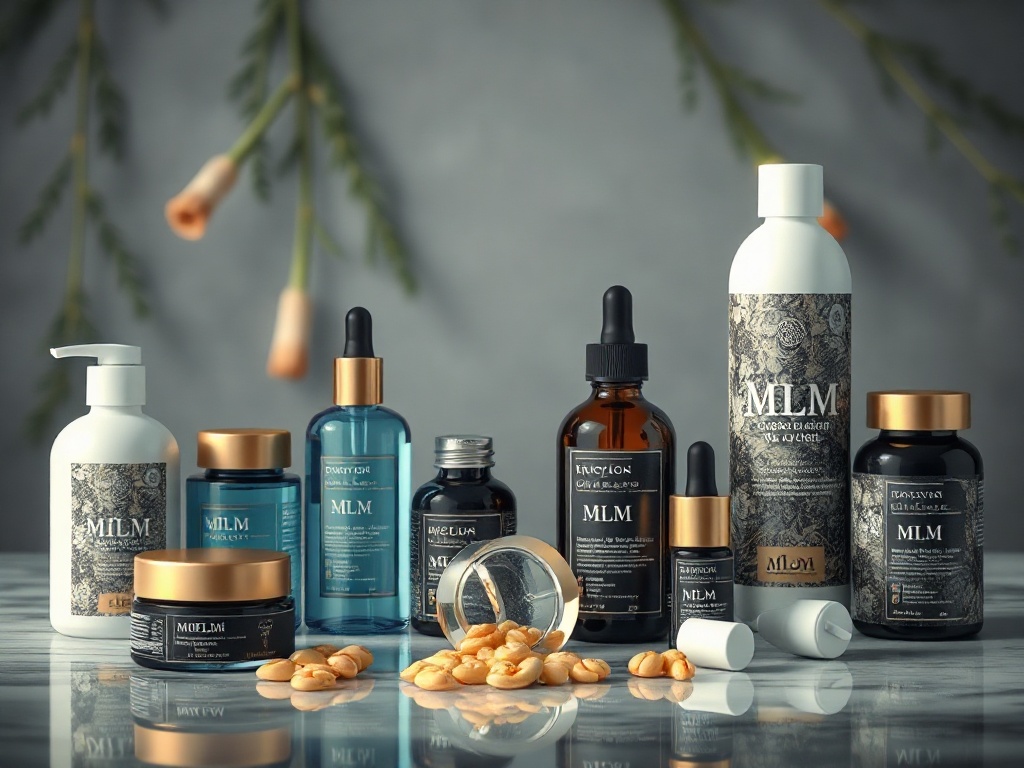
– Packaging and labeling: Professional, accurate labeling that includes usage instructions, warnings, and batch numbers reflects better manufacturing practices.
– Price versus comparable retail: Compare unit price to similar retail products. A significantly higher price may signal a large distributor margin rather than superior formulation.
Common red flags
– Vague or exaggerated claims: Promises of guaranteed weight loss, disease cures, or dramatic, fast results without scientific backing are warning signs.
– Emphasis on recruiting over product: If the business pitch focuses on building a downline rather than product benefits and customer satisfaction, product quality may be secondary.
– Limited or complicated return policies: Difficulty returning unused items or receiving refunds is a consumer risk.
– Lack of independently verifiable information: If COAs, ingredient lists, or safety data are hidden behind distributor portals or are unavailable, exercise caution.
Benefits some MLM products offer
– Direct-to-consumer convenience: Subscriptions and home delivery can be practical for frequently used products.
– Niche or innovative items: MLM companies sometimes introduce unique formulations or products not widely available in mainstream retail.
– Personalized service: Independent distributors often provide one-on-one product demonstrations, usage tips, and ongoing support.
Smart buying strategies
– Research before purchase: Look up third-party reviews, COAs, and any published research.
Search for customer feedback beyond distributor testimonials.
– Buy single items first: Test a product on its own before committing to subscriptions or bulk purchases.
– Check the return policy: Understand timelines and conditions for returns, and keep receipts and batch numbers.
– Consult professionals when appropriate: For supplements or health products, check with a healthcare professional—especially if taking medications or managing chronic conditions.
Tips for distributors selling MLM products
– Focus on product education: Provide clear, evidence-based information and disclose limitations as well as benefits.
– Keep records: Maintain COAs, safety data, and customer feedback to support claims and handle returns.
– Avoid medical claims: Stick to permitted language and comply with local advertising and health regulations to protect both customers and the business.
Regulatory and safety considerations
Regulations vary by region, but many authorities require truthful advertising, proper labeling, and adherence to safety standards. Companies that proactively publish safety and testing information are easier to evaluate and more likely to meet regulatory expectations.
Use these guidelines to make more informed decisions when buying or selling MLM products. Prioritizing transparency, testing, and realistic claims will help distinguish high-quality offerings from the hype.