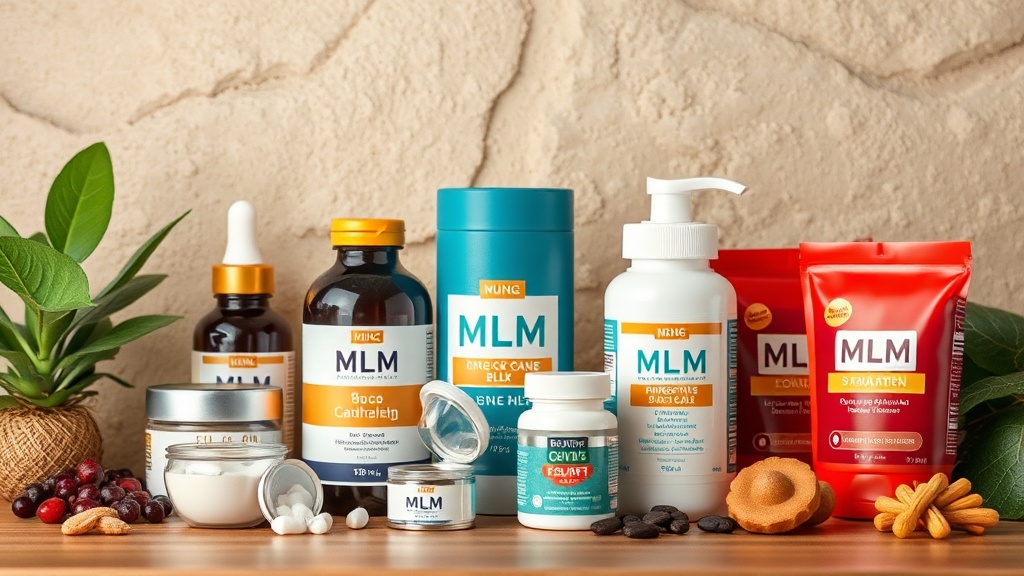
Multi-level marketing (MLM) products are a staple of direct sales, spanning categories like dietary supplements, skincare, essential oils, household cleaners, and cosmetics.
They often reach consumers through personal recommendations, home parties, and social media. Understanding how to evaluate these products helps shoppers separate genuinely useful items from overhyped offerings and avoid common pitfalls.
Why people buy MLM products
– Convenience and personalization: Products are sold through a trusted person and often come with guidance on use and pairing.
– Curated or boutique appeal: Many MLMs offer niche or lifestyle-focused items that feel exclusive.
– Community and incentives: Loyalty programs, discounts for enrolling, and social proof from teams or ambassadors motivate purchases.
How to assess product quality
– Ingredient transparency: Look for full ingredient lists and clear sourcing information.
For supplements, verify active ingredient amounts on the label and check for third-party testing or certificates of analysis.
– Certifications and standards: Third-party seals (such as Good Manufacturing Practices, NSF, or USP for supplements; cruelty-free or organic certifications for cosmetics) indicate higher levels of oversight.
– Clinical evidence vs. testimonials: Distinguish between published clinical studies and user testimonials. Peer-reviewed research, published in respected journals, carries more weight than anecdotal results.
– Independent reviews and lab tests: Search for unbiased reviews, consumer lab tests, or reports from regulatory bodies.
Online forums and consumer-review sites can surface consistent quality issues.
Value and pricing considerations
– Unit price comparison: Break down cost per use or per dose and compare with comparable retail brands. MLM pricing often includes exclusive branding or markup for the sales model.
– Auto-ship and subscription traps: Many MLMs offer enrollment discounts tied to recurring orders.
Confirm whether shipments can be paused without penalties and understand return policies.
– Hidden costs: Consider startup fees, minimum monthly purchases to qualify for discounts, and inventory buy-back terms if selling the products becomes a priority.
Common red flags
– Emphasis on recruitment over products: If the company focuses more on building teams than on product performance, that’s a warning sign.
– Vague or grandiose health claims: Be cautious about products described as “cures,” “detoxifying,” or delivering guaranteed medical results—especially supplements and essential oils.
– Pressure to buy inventory: High-pressure tactics, urgent deadlines, or push to buy in bulk for “discounts” are common traps.
– No refunds or strict return policies: Confirm written return and satisfaction guarantees before committing to large purchases.
Safety and regulatory notes
– Supplements and health products can interact with medications or cause allergic reactions. Consult a healthcare provider before starting new supplements or topical regimens, especially during pregnancy or for chronic conditions.
– Watch for claims that conflict with regulatory guidelines; responsible companies provide clear disclaimers and avoid promising medical outcomes.
Smart-buying tips
– Ask for samples or trial sizes before committing to full-priced products.
– Request independent documentation of testing or certification.
– Read the label closely and research unfamiliar ingredients.
– Compare similar products from retail brands to verify whether the MLM product offers unique benefits that justify the price premium.
– Follow social media groups or consumer forums for unfiltered feedback.
Making informed choices about MLM products means focusing on transparency, proven benefits, and true value rather than hype. Prioritize safety, documented quality, and fair business practices to get the most from direct-sale purchases.