Multi-level marketing (MLM) products span a wide range: dietary supplements, skincare, essential oils, household cleaners, kitchen gadgets, and membership-based digital services.
Whether you’re a shopper or considering becoming a distributor, understanding how to evaluate these products separates smart choices from costly mistakes.
What makes a strong MLM product
– Clear value proposition: The product should solve a real problem better or more conveniently than mainstream alternatives. Unique formulation, patented delivery systems, or exclusive sourcing help justify a premium price.
– Repeat purchase potential: Consumables and personal-care items perform better because customers repurchase, creating sustainable retail demand rather than reliance on recruitment.
– Transparent ingredient and sourcing information: Labels, third-party testing, and manufacturing standards (for example, GMP certifications) build trust—especially for ingestibles and topical products.
– Real-world social proof: Authentic, varied customer reviews and demonstrable before/after evidence (with proper disclosures) are more persuasive than scripted testimonials.
Common red flags
– Heavy emphasis on recruitment over product sales: If most promotional material focuses on becoming a distributor rather than product benefits, scrutinize the business model.
– Required inventory purchases or minimum monthly orders: Stocking up distributors with unsold product is a sign of inventory loading.
– Vague or extravagant health claims: Be cautious of promises to “cure,” “diagnose,” or “treat” serious conditions—regulatory bodies intervene when companies make unlawful medical claims.
– No clear return policy or difficult refund processes: A customer-friendly guarantees policy supports confidence in product quality.
Evaluating product quality
– Compare price-to-function: Check whether the product’s price is competitive relative to retail brands offering similar benefits.
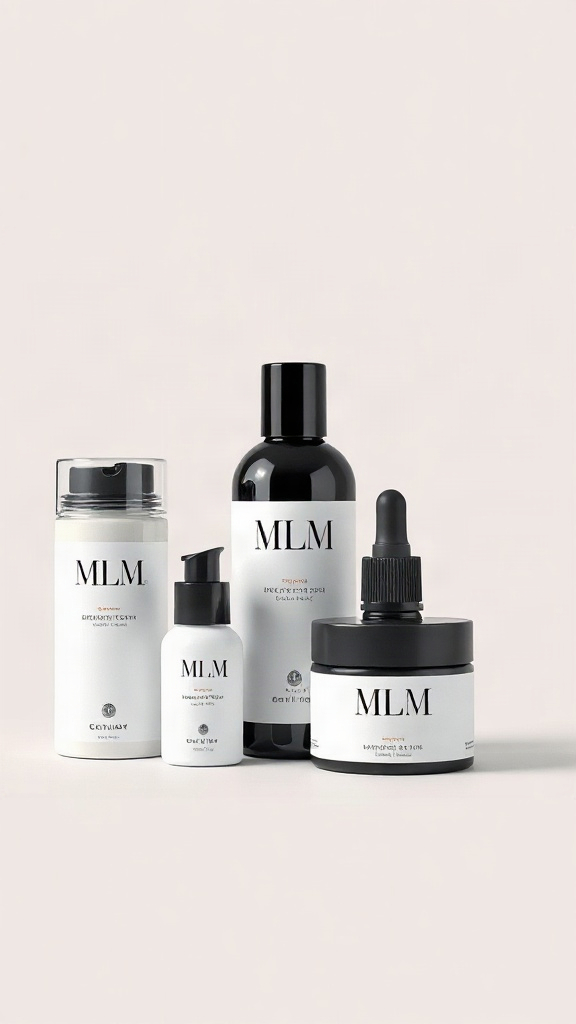
Higher cost can be justified by unique features—but the value should be clear.
– Check third-party verification: Independent lab results, certifications, or clinical studies add credibility. For supplements, look for tested purity and accurate labeling.
– Try before committing: Many companies offer single-product trials or money-back guarantees; use these to assess real results without long-term commitment.
Advice for prospective distributors
– Read the compensation plan carefully: Favor plans that reward retail sales and customer acquisition over downline recruitment. Look for clarity on commissions, bonuses, and qualification thresholds.
– Understand return and buyback policies: A reputable company will minimize financial risk to its distributors through reasonable buyback programs for unsold inventory.
– Evaluate market saturation: Consider how many distributors already operate in your target area and whether the product appeals to a distinct customer segment.
Tips for consumers
– Verify claims with independent sources: Cross-reference health or performance claims with reputable publications or regulatory guidance.
– Ask about shelf life and storage requirements: For consumables and cosmetics, proper handling affects effectiveness and safety.
– Keep transaction records: Maintain receipts and documentation for returns or warranty claims.
A simple checklist before buying or joining
– Does the product solve a clear need better than alternatives?
– Are ingredients and sourcing disclosed and verifiable?
– Is the company transparent about returns, buybacks, and commissions?
– Are health or performance claims supported by independent evidence?
– Is there a reasonable path to earn primarily from retail sales?
MLM products can be excellent when the focus is genuine consumer demand, transparent quality, and fair compensation tied to retail performance. Careful due diligence protects both buyers and sellers and helps identify offerings built to last rather than those built to recruit.