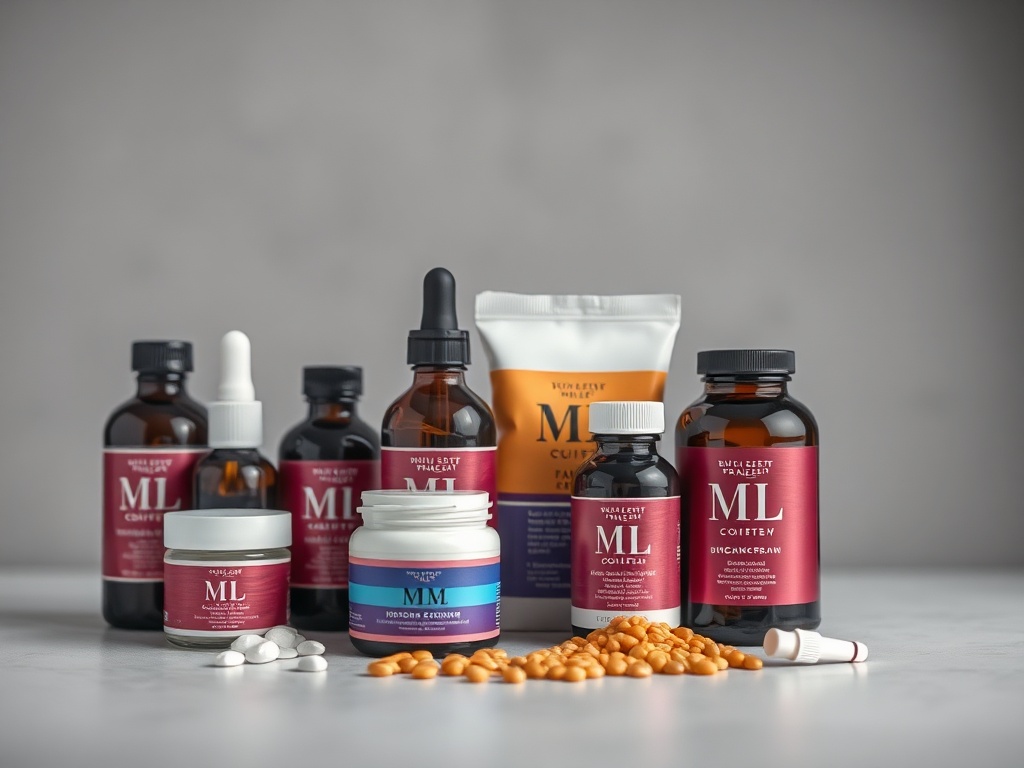
Multi-level marketing (MLM) products span a wide range: dietary supplements, skincare, essential oils, household cleaners, and wellness gadgets.
Because product quality and business models vary so widely, learning how to evaluate offerings will help you make smarter buying and selling decisions.
What to look for in product quality
– Ingredient transparency: Reliable brands list full ingredient lists, concentrations, and sources. Avoid products that rely on vague phrases like “proprietary blend” without specifics.
– Third-party verification: Look for independent lab testing, certifications (for example, GMP, NSF, or USP for supplements), and COAs (certificates of analysis) for raw materials or finished goods.
– Evidence and claims: Check whether health or performance claims are supported by peer-reviewed research or clinical trials. Anecdotal testimonials are valuable for user perspective but don’t replace scientific backing.
– Safety and labeling: Products should include clear usage instructions, allergy warnings, and appropriate regulatory labeling for the market where they’re sold.
Evaluating price and value
MLM products are often priced higher than comparable retail items. To assess value:
– Compare unit costs: Calculate price per serving, ounce, or use to compare with mainstream brands.
– Consider packaging vs. formulation: Attractive packaging can raise costs, but formulation and efficacy are the real value drivers.
– Review return policies and guarantees: Money-back guarantees or satisfaction policies reduce risk for buyers and should be clearly stated.
Red flags to watch for
– Heavy emphasis on recruitment over product sales: If most of the marketing focuses on recruiting new sellers and income potential rather than product benefits, that’s a warning sign.
– Vague income claims: Be skeptical of promises of quick, high earnings without clear, verifiable disclosures.
– Inventory pressure: Avoid businesses that require you to buy large amounts of inventory up front.
– Aggressive health claims: Products that promise cures or dramatic outcomes with little evidence deserve scrutiny.
Tips for buyers
– Read independent reviews: Seek out reviews from non-affiliated users and consumer forums for balanced perspectives.
– Test small first: Purchase single items or small starter kits before committing to subscriptions or large orders.
– Check availability: See if the product is available outside the MLM channel and whether prices differ significantly.
– Verify seller credibility: Ask distributors for proof of product authenticity, batch testing, and official return procedures.
For potential sellers
– Understand the compensation plan: Make sure commissions come mainly from retail product sales rather than recruitment incentives.
– Examine training and support: Reputable companies provide solid product training and marketing resources without requiring continual upsells.
– Calculate realistic earnings: Look for transparent income disclosures and talk to a range of active sellers about their actual results.
– Know your market: Saturation and competition in your niche will affect how easily you can sell products.
Regulatory and ethical considerations
Regulators monitor false advertising and unsubstantiated health claims. Ethical marketing focuses on accurate product information, transparent income representation, and respect for consumer well-being.
Sustainability and ingredient sourcing are also increasingly important for consumers—brands that demonstrate responsible sourcing and environmental stewardship often build stronger long-term trust.
Choosing MLM products wisely is about separating solid formulations and verifiable benefits from hype. Focus on transparent information, independent verification, fair pricing, and ethical business practices to make smarter decisions whether you’re buying for personal use or considering selling. Ultimately, products that stand up to scrutiny will serve customers and sellers better over time.