Multilevel marketing (MLM) products span a wide range of everyday categories — from dietary supplements and skincare to essential oils, household cleaners, and wearable accessories.
Understanding how these products differ from conventional retail offerings helps buyers and potential sellers make informed choices that prioritize quality, value, and transparency.
What to look for when evaluating MLM products
– Ingredient and safety transparency: For supplements, look for third-party testing and clear ingredient lists. Cosmetics should list full ingredients and safety data, and essential oils benefit from GC-MS testing to verify purity. Avoid products that hide ingredient details or use vague marketing terms like “proprietary blends” without explanation.
– Pricing relative to retail alternatives: MLM products often carry premium prices. Compare cost per use with similar mass-market or specialty brands to judge value. A higher price can be justified by superior formulation, sourcing, or performance — but only when evidence supports those claims.
– Efficacy and proof: Look for independent reviews, clinical studies, or documented third-party lab results rather than relying solely on distributor testimonials.
User reviews can be helpful, but prioritize replicated, objective testing where available.
– Return policy and customer service: A clear, consumer-friendly return policy reduces risk. Companies that support distributors with refunds and quality assurance signals confidence in their products.
Common product categories and specific considerations
– Supplements: Verify adherence to good manufacturing practices and third-party certifications.
Watch for aggressive health claims that sound too good to be true; legitimate products focus on supporting health rather than curing conditions.
– Skincare and beauty: Check for non-comedogenic claims, allergen information, and whether formulations are dermatologist-tested. Packaging transparency about active ingredient concentrations is a plus.
– Essential oils: Purity matters.
Request batch reports and labels that list botanical names to avoid adulteration. Strong marketing language about therapeutic benefits should be balanced against safety warnings (photosensitivity, dilution guidelines).
– Household and cleaning products: Demand ingredient transparency and environmental safety data.
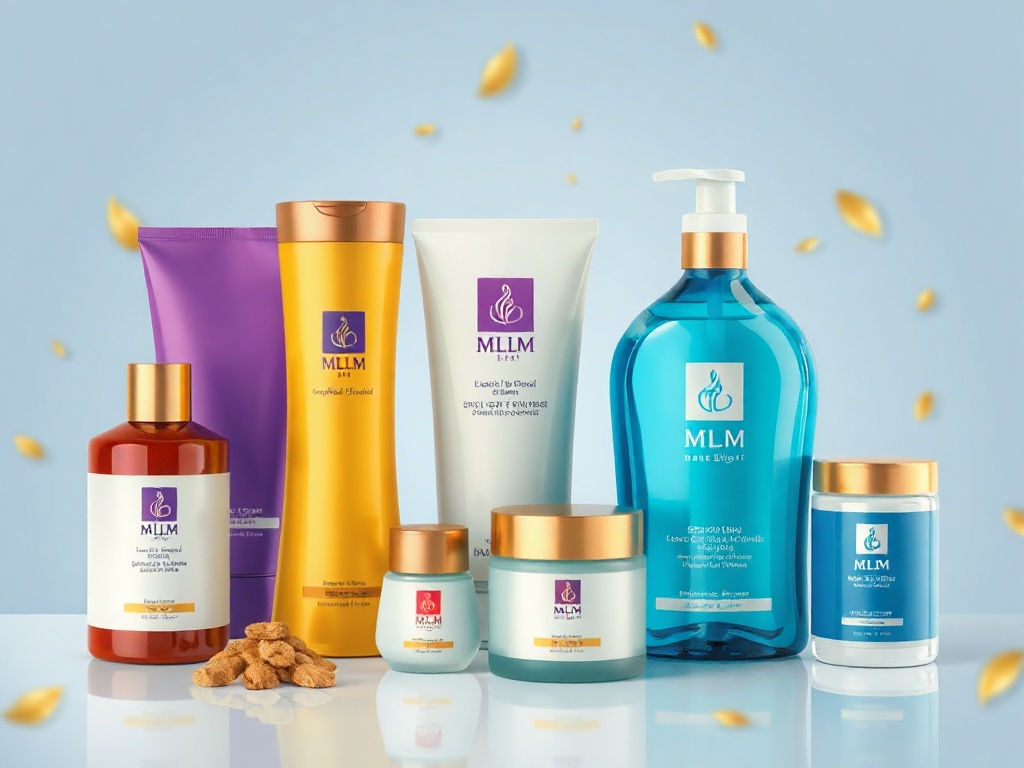
Independent efficacy testing (e.g., EPA recommendations or lab efficacy studies) can support performance claims.
Red flags to watch for
– Emphasis on recruitment over product sales: If the company and distributors focus more on signing up new members than on end-customer satisfaction, that’s a caution sign.
– High upfront costs or mandatory autoship: Large starter kits or required monthly purchases to qualify for commissions can create pressure and financial risk.
– Vague income claims and secrecy: Reputable companies provide earnings disclosures or realistic examples of typical distributor earnings. Be skeptical of promises of quick, large incomes.
– Overreliance on anecdotal health testimonials: Personal stories can be compelling, but they’re not substitutes for scientific validation or proper labeling.
Guidance for prospective sellers
Build a sustainable approach by emphasizing product benefits, transparent pricing, and ethical marketing. Invest time in product training and compliance, disclose realistic earning expectations, and cultivate repeat customers rather than focusing solely on recruitment. Offering samples, hosting demonstration events, and creating useful educational content will attract genuine interest.
A smart consumer or seller looks beyond hype to evaluate tangible product value, safety, and company practices. Prioritize transparency, independent verification, and clear policies when deciding whether to buy or join a direct sales opportunity. This approach reduces risk and increases the odds of a satisfying experience with MLM products.