How to Evaluate MLM Products: Quality, Claims, and Selling Smarter
Multi-level marketing (MLM) products cover categories from supplements and skincare to household cleaners and home goods. Whether you’re considering joining a company or buying from an independent distributor, focusing on product quality and transparency helps reduce risk and build trust.
What matters most when assessing MLM products
– Ingredient transparency: Look for full ingredient lists on packaging and the company website. Avoid products that hide formulations behind vague terms. For ingestible or topical products, clear sourcing and concentration information matter for safety and efficacy.
– Third-party testing and certifications: Independent lab testing, GMP (Good Manufacturing Practices) audits, and certifications such as USP, NSF, organic, or cruelty-free add credibility.
Ask for certificates of analysis (COAs) for supplements and stability/safety data for cosmetics.
– Realistic claims and backed evidence: Be skeptical of sweeping health claims, miracle cures, or promises of guaranteed weight loss or disease reversal. Responsible companies provide clinical studies, peer-reviewed research, or at least well-documented consumer trials to support performance claims.
– Transparent pricing and value: Evaluate cost per use or per serving compared with similar retail products. High prices can be justified by concentrated formulations, patented ingredients, or exclusive processes, but sellers should be able to explain the value proposition clearly.
– Return policy and customer support: A fair refund or satisfaction guarantee reduces purchase risk and indicates company confidence. Check how returns are handled, shipping costs, and whether distributors are empowered to resolve customer issues.
Practical checklist for buyers and sellers
– Request COAs and clinical summaries when available.
– Read ingredient labels and research unfamiliar components.
– Compare active doses to published effective ranges.
– Verify product manufacturing location and quality standards.
– Check for an accessible refund policy and clear contact channels.
– Search for independent reviews beyond company-controlled platforms.
Selling strategies that center on the product
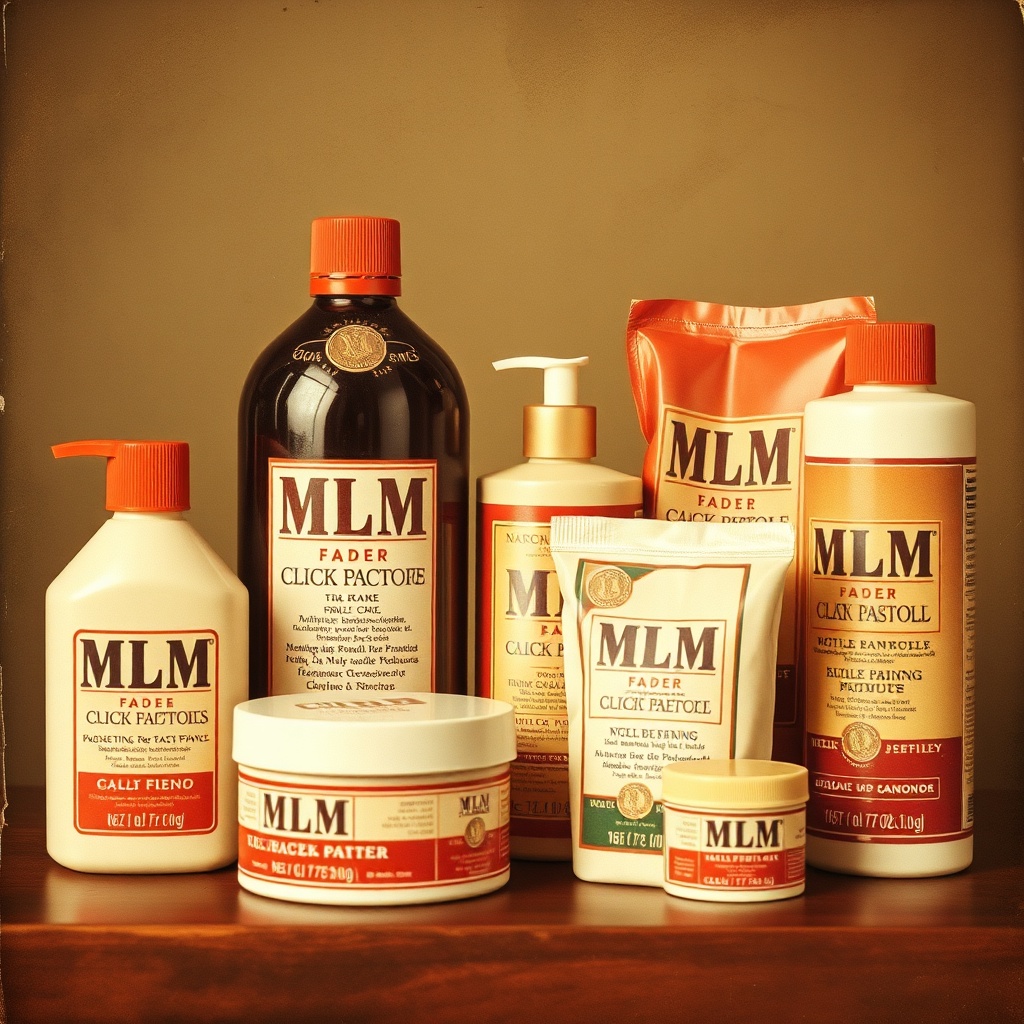
– Lead with product education rather than income promises. Demonstrating how a product solves an everyday problem builds sustainable demand.
– Use samples and small, low-commitment bundles to lower the barrier to trial. Sampling reduces returns and increases conversion when the product delivers.
– Keep documentation handy: ingredient lists, COAs, user guides, and any clinical summaries.
Prospective customers appreciate credible, easy-to-read information.
– Train teams on compliance: avoid making medical claims, disclose typical results, and follow company and regulatory guidelines for advertising.
Common pitfalls to watch for
– Overpriced replacement products with minimal differentiation from mainstream options.
– Lack of independent testing or refusal to share basic quality data.
– Heavy emphasis on recruitment and income over product benefits.
– Subscription or auto-ship models with unclear cancellation terms.
Sustainability and social responsibility
Consumers increasingly factor environmental and ethical practices into buying decisions. Packaging recyclability, ingredient sourcing, and transparent labor practices can be differentiators. Companies and distributors that communicate sustainability efforts clearly tend to attract repeat customers and referrals.
Final thought
MLM products vary widely in quality and credibility. Prioritize transparency, evidence, and fair policies when evaluating offerings.
Sellers who focus on demonstrable product benefits and clear, honest communication build longer-lasting customer relationships and a stronger business foundation.