Multi-level marketing (MLM) products cover a wide range of categories — from skincare and supplements to household goods and essential oils. For both buyers and direct sellers, smart choices hinge on product quality, transparency, and ethical marketing. Here’s a practical guide to evaluating MLM products so you can make informed decisions that protect health, reputation, and pocketbook.
What to look for in product quality
– Ingredient transparency: Products should list all active and inactive ingredients in plain language. Avoid brands that hide ingredient lists behind distributor logins or vague terms like “proprietary blend.”
– Third-party testing: Look for independent laboratory verification for purity, potency, or contaminant testing — especially for supplements and topical products. Certifications like GMP (Good Manufacturing Practices) or ISO testing add credibility.
– Clear usage instructions and safety information: Dosage guidelines, contraindications, allergy warnings, and storage recommendations are essential for consumer safety.
– Clinical evidence vs.
marketing claims: Promotional language often outpaces the science. Prioritize products backed by peer-reviewed studies or solid clinical trials, and be wary of extraordinary claims without substantiation.
Regulatory compliance and claims
Products sold through direct selling channels must comply with consumer protection and advertising laws. Regulatory agencies often scrutinize health and income claims:
– Health claims should be supported by reliable evidence and avoid promising cures or guaranteed results.
– Income or lifestyle promises must be realistic and backed by verifiable distributor earnings disclosures, where required.
– Fair return policies and clear terms of sale protect customers and boost trust.
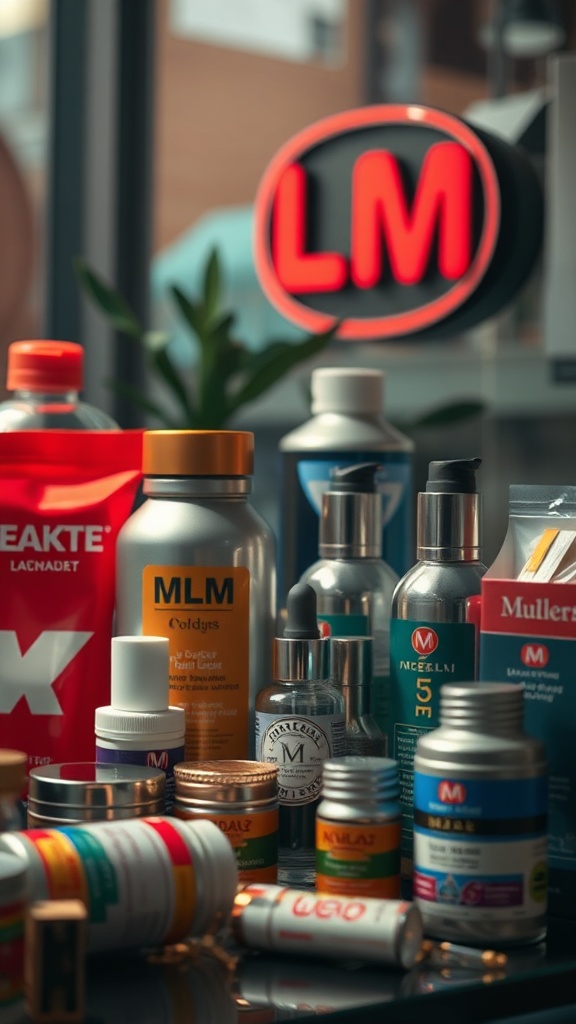
Price, value, and subscription traps
MLM pricing frequently sits above comparable retail alternatives to cover commissions and marketing. Evaluate real value by comparing:
– Ingredient quality and concentration
– Per-dose or per-use cost versus traditional retail brands
– Shipping, autoship, and cancellation policies that can turn a one-time purchase into an ongoing subscription
Ethical marketing and social proof
Authentic customer reviews and before-and-after photos can be powerful, but ethical use matters:
– Disclose sponsored content or distributor relationships when posting testimonials.
– Avoid edited or misleading imagery and unverifiable claims.
– Use social proof responsibly — encourage real customers to share honest experiences and provide clear disclaimers about typical results.
Sustainability and sourcing
Increasingly, consumers expect responsible sourcing and environmental stewardship. Look for:
– Transparent supply chains and fair labor practices
– Recyclable packaging, reduced plastic use, or refill programs
– Certifications that verify organic or fair-trade claims
Tips for distributors and prospective sellers
– Know the product: Use it consistently and be prepared to discuss benefits and limitations honestly.
– Focus on product benefits, not income promises: Build customer relationships based on value and service.
– Keep compliance top of mind: Follow advertising guidelines and avoid medical claims unless supported by evidence and proper disclaimers.
– Offer samples and flexible purchasing: Lower barriers to trial and provide clear return and cancellation options.
Quick checklist before buying or joining
– Is the full ingredient list available and understandable?
– Are there independent tests or certifications?
– Is the price justified by ingredient quality and unit cost?
– Are health or income claims backed by evidence or disclosures?
– Is the return and subscription policy fair and transparent?
Evaluating MLM products requires a mix of skepticism and openness. Prioritize transparency, independent verification, and ethical marketing to ensure health and financial interests are protected. Whether purchasing or selling, choosing products that stand up to scrutiny will build trust and long-term success.