MLM Products: How to Evaluate Quality and Value Before You Buy or Sell
Multi-level marketing (MLM) products are everywhere: from wellness supplements and skincare to household cleaners and essential oils. Whether you’re considering joining a sales team or simply buying from an independent distributor, it pays to know how to evaluate products on quality, safety, and long-term value.
What to look for in product quality
– Ingredient transparency: The label should list full ingredients and concentrations. Beware of vague phrases like “proprietary blend” when you need to know active ingredient amounts for effectiveness and safety.
– Third-party testing: Look for independent lab results or certificates of analysis (COA), especially for supplements, CBD, and potent concentrates. Third-party testing reduces the risk of contamination and verifies potency.
– Certifications and manufacturing standards: Certifications such as GMP (Good Manufacturing Practice), NSF, USDA Organic, or cruelty-free icons help indicate higher manufacturing and sourcing standards.
– Clear and realistic claims: Products that promise dramatic health outcomes or cure diseases are red flags. Reliable products reference peer-reviewed research or lab studies and avoid medical claims unless supported by regulators.
Price vs. value: calculate cost per use
MLM pricing can be higher than retail equivalents. Instead of focusing on the sticker price, calculate cost per use or cost per serving.
Take into account typical dilution rates (for concentrates and essential oils), recommended serving sizes, and how long a bottle should last under normal use. A higher upfront price can be justified if concentration and efficacy mean fewer uses per package.
Safety, labeling, and regulatory basics
Supplement and topical regulations vary by product type and location. Labels should include clear usage directions, warnings, allergen information, expiration or best-by dates, and contact information for the company. Avoid products that lack basic safety information or that require distributors to make unverified health claims.
Assessing social proof and marketing
Personal testimonials are common in MLM circles, but they often reflect individual experiences rather than representative results.
Look for:
– Verified reviews from independent sources
– Before-and-after photos with context and timelines
– Published clinical trials or pilot studies when available
– Transparent return and refund policies that protect consumers
Sustainability and ethical sourcing
Many consumers prioritize sustainably sourced ingredients, recyclable packaging, and fair labor practices. Check company statements on sourcing and supply chain transparency. Certifications and third-party audits are helpful ways to verify environmental and ethical claims.
Tips for sellers and distributors
– Focus on product knowledge: Learn ingredient benefits, ideal use cases, and safety considerations to build trust without overpromising.
– Stay compliant: Follow labeling, advertising, and claims guidelines in your market. Encourage customers to consult qualified professionals for medical advice.
– Offer samples and honest demonstrations: Let potential buyers try products with realistic expectations and clear usage instructions.
– Track inventory and shelf life: Ensure customers receive fresh products and honor return policies promptly.
Red flags to avoid
– Pressure to buy large inventories or qualify for commissions without clear benefit
– Lack of scientific support or lab documentation for high-priced claims
– Vague refund policies or resistance to returns
– Promises of guaranteed income tied to recruitment rather than product sales
Making smart decisions
Whether purchasing or promoting MLM products, prioritize transparency, evidence, and customer safety.
Evaluate cost-per-use, request third-party test results when relevant, and confirm clear labeling and return policies.
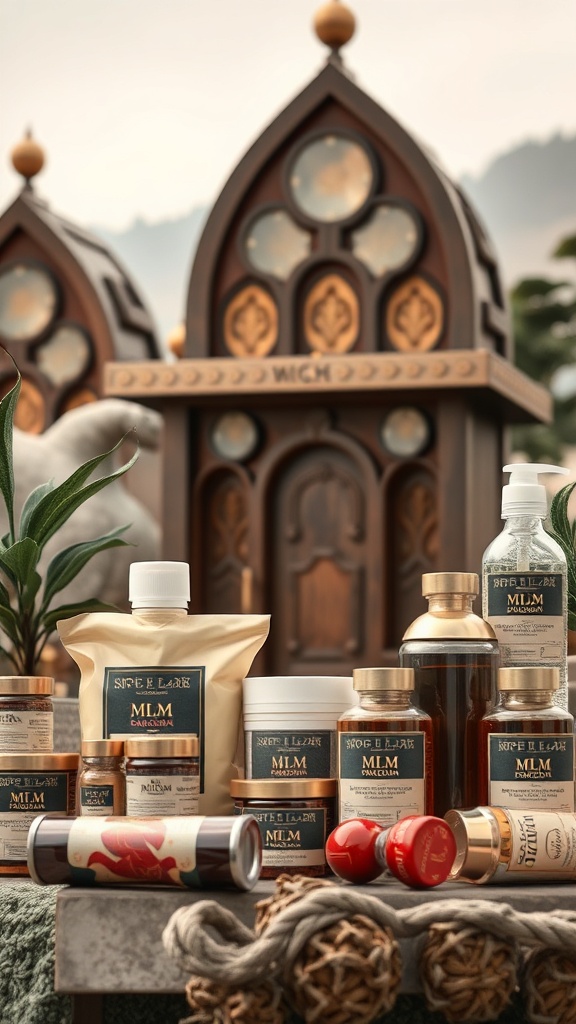
With careful scrutiny, you can separate genuinely valuable products from hype and build purchasing or selling decisions on reliable information.