MLM products—sold through multi-level marketing or network marketing companies—cover a wide range of categories: skincare, supplements, household cleaners, essential oils, cosmetics, and wellness devices.
Because these products are promoted through independent reps rather than traditional retail, shoppers and sellers both need a practical approach to separate high-quality offerings from overhyped claims.
What to look for when evaluating MLM products
– Ingredient or material transparency: Reputable brands list full ingredient panels, sourcing details, and expected benefits without vague language. Look for common allergens and active concentrations for clarity.
– Third-party testing and certifications: Independent lab tests, GMP (Good Manufacturing Practice), NSF, organic, cruelty-free, or dermatologically tested labels add credibility. If a product claims clinical effectiveness, ask for peer-reviewed studies or verifiable clinical summaries.
– Clear labeling and instructions: Effective products come with straightforward use instructions, warnings, and shelf-life information. Ambiguous directions are a red flag.
– Price versus value: MLM pricing often includes distributor margins and marketing costs.
Compare unit price and product concentration to similar retail items to judge true value.
– Return policy and customer support: A generous, clearly stated return policy and responsive customer service are signs the company stands behind its products.
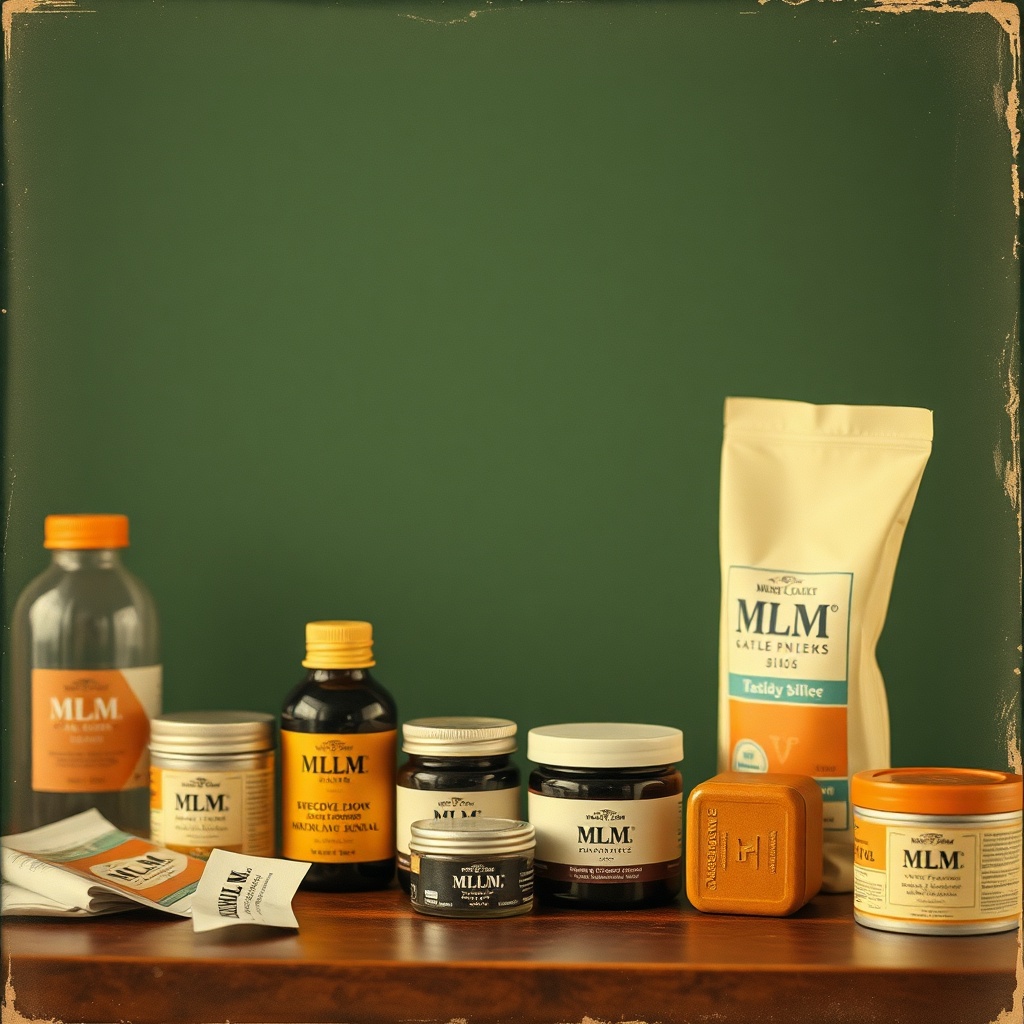
Common red flags to watch for
– Health claims that promise cures, guaranteed weight loss, or treatment of medical conditions without supporting clinical evidence.
– Overemphasis on recruitment or income potential rather than product benefits; a balanced company highlights both product quality and compensation.
– Pressure tactics: Limited-time recruiting events or “exclusive” starter kits that push urgency can mean the focus is more on sales than consumers.
– Lack of transparency about sourcing, production, or testing.
Buying tips for consumers
– Seek independent reviews from verified buyers and third-party sites rather than only distributor testimonials.
– Start with trial sizes or single-item purchases before committing to subscription models or bulk orders.
– Check for ingredient interactions with medications; consult a healthcare professional for supplements or potent topical products.
– Track cost-per-use to compare value against conventional retail brands.
Practical advice for sellers
– Prioritize product knowledge: Demonstrable results, valid certifications, and honest before-and-after examples build trust more than aggressive sales scripts.
– Avoid medical promises and always refer customers to qualified professionals for health concerns.
– Use transparent marketing: disclose compensation relationships when posting reviews or endorsements to comply with local advertising rules.
– Offer educational, low-pressure demonstrations and let customers try samples when possible.
Regulatory and ethical considerations
Direct sales companies operate under consumer protection and advertising regulations. Today, enforcement is more vigilant about false health claims and pyramid-like compensation structures. Sellers should familiarize themselves with return policies, earnings disclosures, and privacy practices for customer data.
Choosing MLM products doesn’t require skepticism or blind trust—just a consistent checklist: transparency, testing, fair pricing, solid return policies, and independent reviews. Whether you’re buying for personal use or building a network, these criteria help you make informed decisions and avoid common pitfalls associated with multi-level marketing products.