As the world becomes more interconnected, the potential for financial growth and entrepreneurship expands. One avenue that continues to stir interest and discussion is multi-level marketing (MLM). MLM, also known as network marketing, is a sales and distribution model in which individuals sell products directly, often in a person-to-person format, while also recruiting new members to join their sales team. This dual focus on direct sales and recruitment offers a unique approach to the traditional model of business, promoting a system in which profits can be earned from one’s sales as well as the sales from their recruits.
At first glance, MLM may seem like an attractive business model due to its potential for high return on minimal initial investment.
It offers an opportunity to generate income and build a business with little overhead or experience required. This accessibility is one of MLM’s main attractions, particularly for those seeking an entrepreneurial venture that can be managed alongside other commitments, such as a full-time job or family responsibilities.
Moreover, MLM allows for flexibility not often found in traditional employment. Many MLM companies operate on a remote basis, allowing representatives to work from home, at their own pace, and on their own schedule. This flexibility can be a key selling point for those seeking a better work-life balance or a secondary income stream.
While there are undoubted benefits to MLM, it’s also crucial to be aware of the potential pitfalls. The Federal Trade Commission (FTC) has issued warnings about MLM companies that focus more on recruitment than sales, effectively operating as pyramid schemes.
It’s essential to exercise due diligence before getting involved with an MLM company. Ensuring that the company emphasizes product sales over recruitment and has a robust compensation plan that doesn’t solely rely on recruitment is a good starting point.
Additionally, while MLM offers the opportunity for financial independence, it requires a significant amount of hard work, dedication, and resilience. MLM is not a get-rich-quick scheme; success often depends upon one’s ability to build a network, make sales, and motivate their team. As such, those individuals who possess strong interpersonal skills, a knack for sales, and the ability to inspire others may be well-suited to the MLM industry.
MLM is also a field that requires constant learning and adaptation. The rise of digital technology has transformed the landscape of MLM, with social media and online marketing tools becoming integral to the way MLM representatives connect with potential customers and recruits. Sharpening digital marketing skills, understanding the intricacies of social media algorithms, and staying ahead of online trends can all contribute to MLM success.
In the realm of MLM, education is key.
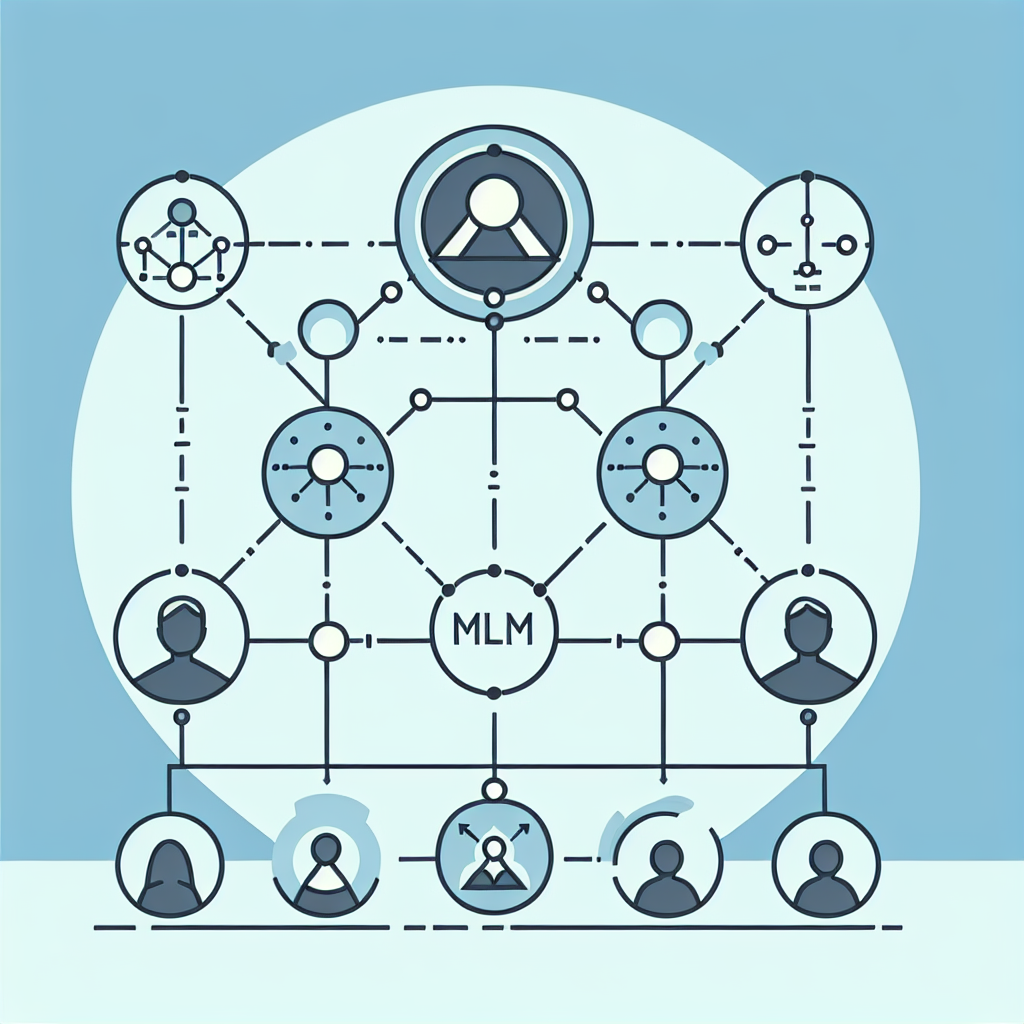
Understanding the nature of the industry, the specific workings of an MLM company, and the potential risks involved are all important elements to consider.
As with any business venture, it’s crucial to conduct thorough research before diving in. Meanwhile, those who are already involved in MLM can benefit from ongoing education, adaptability, and an unwavering commitment to their business.
In short, MLM offers a unique business model with the potential for financial growth and entrepreneurial freedom. However, it requires careful consideration, a strong work ethic, and a commitment to constant learning and adaption. Those who thrive in MLM are often those who approach the opportunity with both eyes open, ready to invest not just financially, but also personally and professionally.