MLM products cover a wide range — from supplements and skincare to household cleaners and cosmetics — and they arrive with both enthusiastic fans and wary shoppers. Whether you’re thinking about buying for personal use or considering selling, knowing how to evaluate these products helps you separate genuinely valuable offerings from hype.
What to look for in product quality
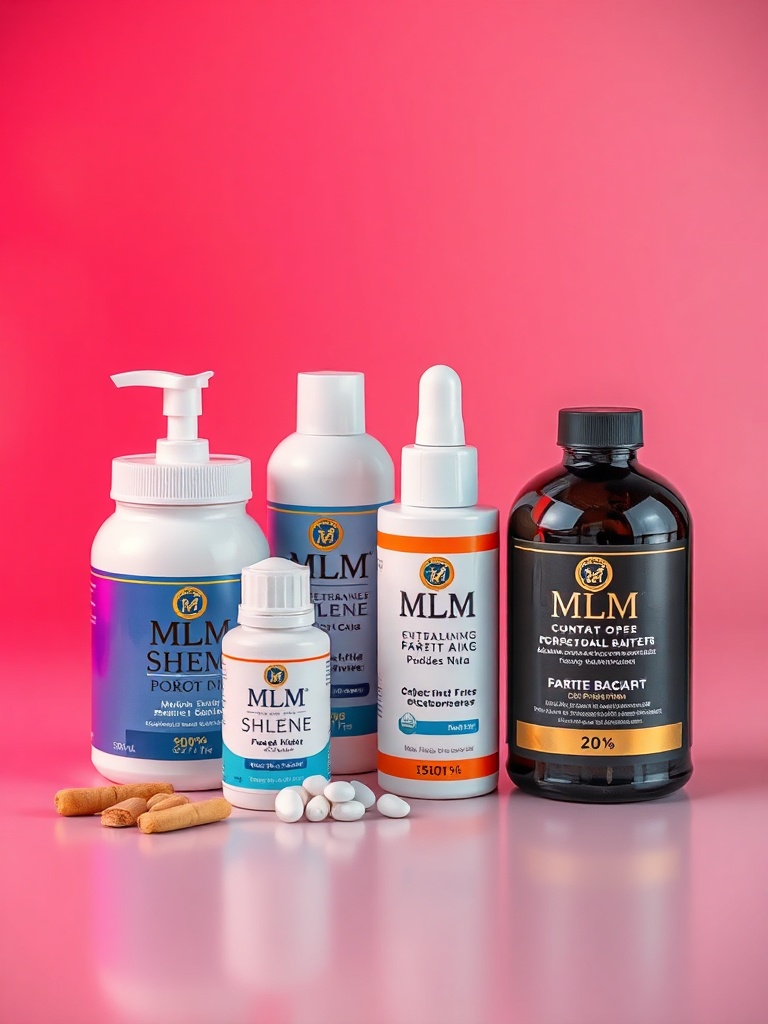
– Ingredient transparency: Reputable brands list full ingredient panels and concentrations. For supplements, look for clear dosages rather than vague proprietary blends.
– Third-party testing: Independent lab certificates or third-party seals (e.g., USP, NSF) add credibility for supplements and purity claims.
– Certifications and claims: Organic, non-GMO, cruelty-free, and fair-trade labels should be verifiable. Be cautious when companies make sweeping health claims without backing.
– Packaging and instructions: Professional labeling, batch numbers, and clear usage directions reflect attention to quality control.
Pricing and value comparison
MLM pricing often includes a markup to cover distributor commissions. Compare unit cost to similar retail brands to ensure you’re paying for product benefits rather than only the distribution model.
Consider total cost of ownership: subscription or autoship fees, required starter kits for sellers, and potential shipping charges.
Common product categories and specific considerations
– Nutritional supplements: Check for tested ingredient purity, clear dosages, and allergen information.
Avoid products promising miracle cures.
– Skincare and cosmetics: Patch-test new formulas, especially if you have sensitive skin. Look for non-comedogenic and fragrance-free options if you’re prone to irritation.
– Household and eco products: Verify environmental claims. Look for third-party eco-certifications or verifiable lifecycle benefits.
– Wellness devices: Demand data from independent studies that support performance claims.
Red flags to watch for
– Overemphasis on recruitment rather than product sales.
– Vague or unverifiable health or income claims.
– Mandatory large inventory purchases or “front-loading” requirements.
– Lack of a clear, fair return or buyback policy for unsold goods.
– Pressure tactics, staged testimonials, or unverifiable clinical claims.
Consumer protections and legal considerations
Regulators emphasize truthful advertising and substantiated health or income claims. Companies that operate with transparent policies, fair refund procedures, and clear income disclosure statements are often safer bets. If a product promises medical benefits, ask for peer-reviewed research or official approvals where applicable.
Tips for buyers and potential sellers
– Try before committing: Purchase small quantities to test effectiveness and tolerability.
– Ask for documentation: Third-party test results, ingredient sourcing info, and customer satisfaction statistics are reasonable to request.
– Read the fine print: Understand autoship terms, cancellation policies, and any obligations tied to discounts or rank advancement.
– Seek unbiased reviews: Look for customer feedback outside company channels for a more balanced view.
– Consider opportunity cost: If thinking of selling, map realistic time commitment and compare potential product margins against alternative retail or e-commerce options.
Making a confident choice
MLM products can deliver strong value when the company prioritizes product efficacy, compliance, and customer satisfaction over recruitment-focused growth. Being an informed shopper or seller — asking for evidence, comparing costs, and understanding policies — reduces risk and increases the chances that a product experience will be worth the investment.