MLM Products: How to Evaluate Quality, Value, and Safety Before You Buy
Products sold through multi-level marketing (MLM) channels span many categories — dietary supplements, skincare and cosmetics, essential oils, home cleaning, weight-management products, and wellness devices. The direct-sales model can offer convenience, personal service, and product demonstrations, but it can also make it harder to assess product quality, pricing, and claims. Here’s a practical guide to help consumers make informed choices.
Know the product category and typical claims
MLM brands often market lifestyle and wellness solutions: supplements promising immune support or energy, topical serums claiming anti-aging benefits, or essential oils touted for mood and relaxation.
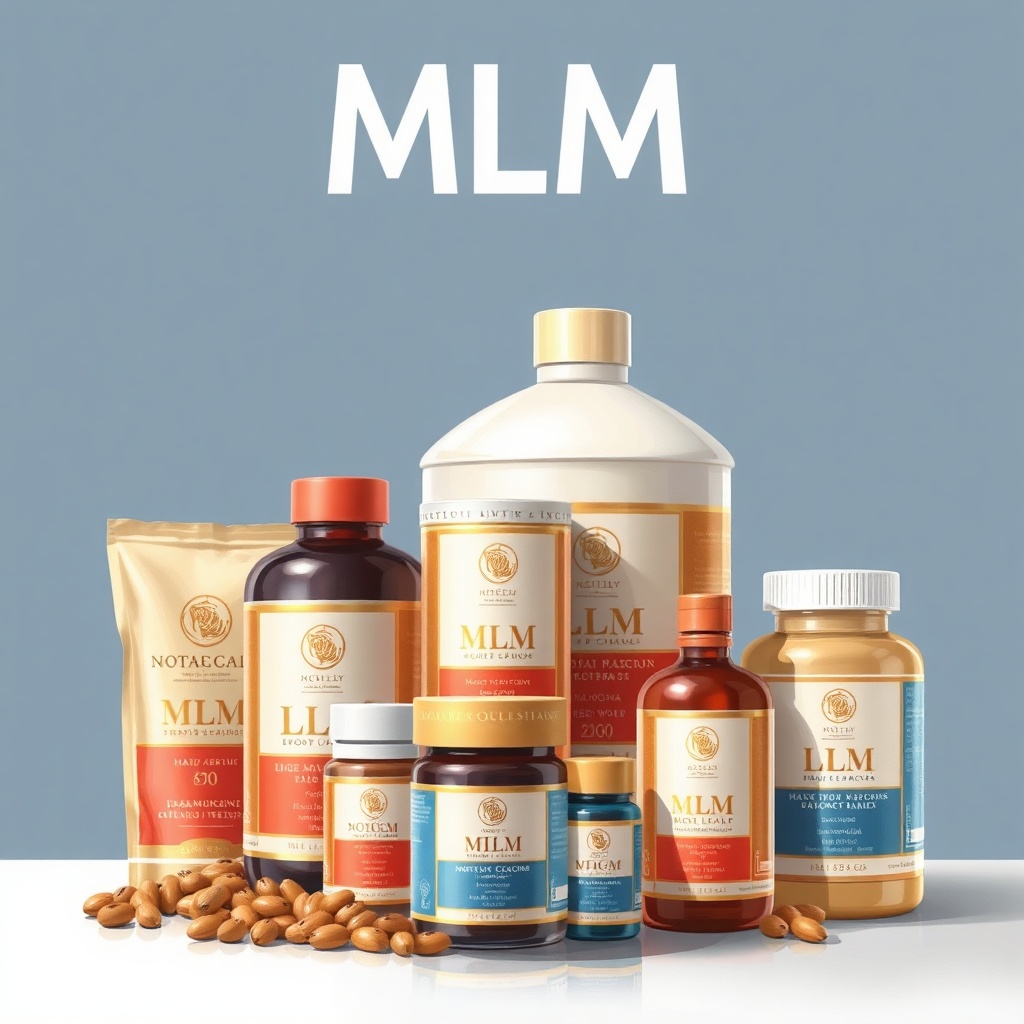
These products frequently make benefit-oriented claims that resonate emotionally. Approach strong health or disease-related claims with caution and seek objective evidence.
Assess ingredients and transparency
A reliable product provides clear, accessible ingredient lists and concentrations.
For supplements, check for active ingredient amounts, not just proprietary blends that obscure doses. For skincare, look for standardized extracts and concentration ranges.
Essential oil users should look for botanical names (Latin names), extraction methods, and whether the oil is pure or blended with carrier oils.
Look for third-party testing and certifications
Independent testing improves credibility. Third-party certifications and lab reports can demonstrate purity, potency, and safety. Possible verifications include:
– GMP (Good Manufacturing Practices) or similar facility audits
– Certificates of analysis (COAs) for supplements and oils
– Dermatological testing or clinical study summaries for skincare
– Eco- and cruelty-free certifications for ethical claims
Evaluate scientific support and realistic marketing
Clinical trials and peer-reviewed research are higher-quality evidence than anecdotes. If a product cites studies, check whether the trials were independent, had adequate sample sizes, and used meaningful endpoints.
Be skeptical of small, industry-funded trials with limited follow-up. Marketing that guarantees dramatic results or claims to cure or prevent diseases should be viewed as a red flag.
Consider price, value, and distribution model
MLM products often carry premium pricing to support the compensation structure. Compare cost per dose or application with non-MLM alternatives. Consider subscription pressures, required starter packs, or quotas that can inflate total cost. Buying from a trusted retailer that sells the same product at lower cost may not be possible with exclusive MLM distribution — weigh convenience against price.
Be aware of safety and regulatory issues
Supplements and topical products can interact with medications or cause sensitivities. Check for allergen information and consult a healthcare professional if you have medical conditions or are pregnant or breastfeeding. Regulatory oversight varies by product type; dietary supplements are regulated differently than pharmaceuticals, so safety and efficacy standards differ.
Red flags to watch for
– Vague ingredient lists or “proprietary blends” with no doses listed
– Grandiose income claims tied to product purchases rather than retail sales
– Pressure to buy large starter kits or maintain inventory
– Reliance on testimonials instead of science
– Lack of accessible lab reports or independent testing
A practical checklist before buying
– Read the full ingredient list and directions for use
– Search for independent lab reports or COAs
– Compare price per use with comparable retail products
– Look for documented clinical evidence or quality certifications
– Ask about return policies and shelf-life after opening
– Check reviews from unbiased sources beyond distributor networks
Direct-sales products can offer unique benefits, including personalized service and community support.
When assessing MLM products, prioritize transparency, independent verification, realistic claims, and overall value.
A careful, skeptical approach helps ensure purchases deliver benefits without unnecessary cost or risk.