MLM Products: How to Evaluate Quality, Safety, and Real Value
Multi-level marketing (MLM) companies offer a wide range of products—from dietary supplements and skincare to essential oils and household goods.
The sales model can create passionate brand advocates, but it also introduces markup, marketing hype, and varying levels of product transparency. Here’s how to evaluate MLM products so you make smarter purchases and avoid common pitfalls.
What to look for before you buy
– Ingredient transparency: High-quality products list full ingredient names and concentrations. For supplements, look for active ingredient amounts per serving. For skincare, check both active and inactive components to assess potential irritants or allergens.
– Third-party testing: Independent lab verification for purity, potency, and absence of contaminants is a strong credibility signal. Certificates of analysis (COAs) should be available upon request for supplements and essential oils.
– Manufacturing standards: Brands that follow Good Manufacturing Practices (GMP) or are certified by recognized bodies typically maintain consistent quality. For supplements and food-grade items, certifications such as USP, NSF, or equivalent can be meaningful.
– Clinical evidence: Claims that a product improves health, performance, or appearance should have supporting clinical or peer-reviewed research—not just testimonials. Look for studies that are human, randomized, and placebo-controlled where possible.
– Ethical and sustainability claims: If a product is promoted as organic, cruelty-free, or sustainably sourced, verify certification details. Generic claims without verifiable certification deserve skepticism.
Understand the pricing and value
MLM products often carry higher retail prices to fund commission structures and marketing costs.
Compare unit price with similar retail products to determine true value. Some questions to ask:
– Are you paying a premium for convenience, education, or community?
– Does a comparable product exist in mainstream retail with similar ingredients and testing?
– Is the markup reasonable given the product’s uniqueness, formulation, or ethical sourcing?
How to interpret testimonials and income claims
Customer testimonials can be useful for learning about experiences, but they don’t replace scientific evidence.
Be cautious when testimonials are used as primary proof of effectiveness. Income claims tied to product sales can be misleading—look for transparent compensation plans and documented income disclosures, which show typical earnings rather than top-performer anecdotes.
Red flags to watch for
– Pressure to recruit: If the focus shifts from selling products to aggressively recruiting distributors, that’s a warning sign. The primary emphasis should be product sales to end consumers.
– Inventory loading: Encouragement to buy large quantities to qualify for commissions or rank advancement often hints at a problematic business model.
– Vague or unverifiable claims: Statements about curing conditions, guaranteed results, or secret ingredients without proof should be questioned.
– Overreliance on compensation complexity: If the compensation plan is deliberately confusing or hides who typically makes money, ask for clear, written income statistics.
Smart buying practices
– Request a sample or trial before committing to larger purchases.
– Read independent reviews and search for lab tests or COAs.
– Check return and refund policies; reputable companies offer clear options if a product doesn’t meet expectations.
– Ask distributors for product literature, research citations, and business disclosures in writing.
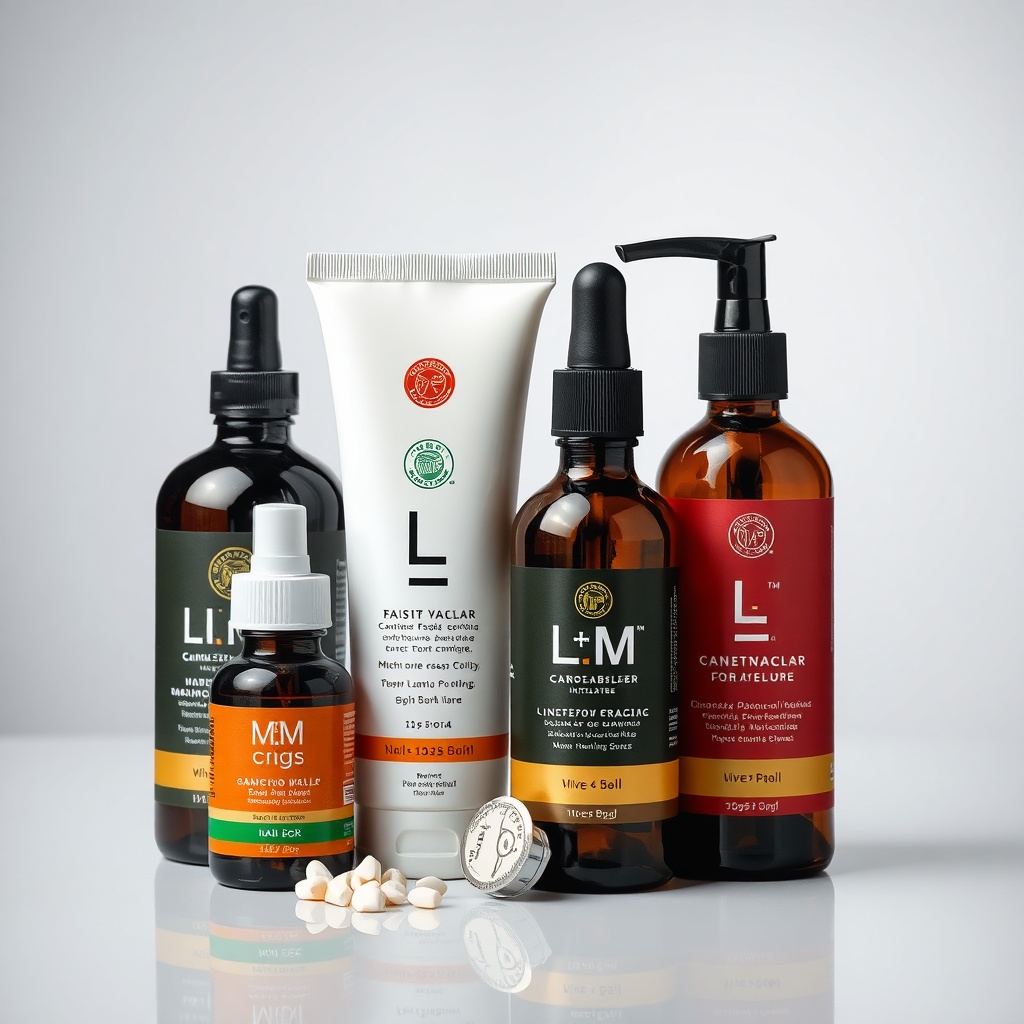
Choosing between supporting an MLM and a traditional brand comes down to product quality, transparency, and personal priorities. When you evaluate ingredients, testing, pricing, and sales practices carefully, you’ll be better positioned to decide whether an MLM product delivers real value beyond marketing.