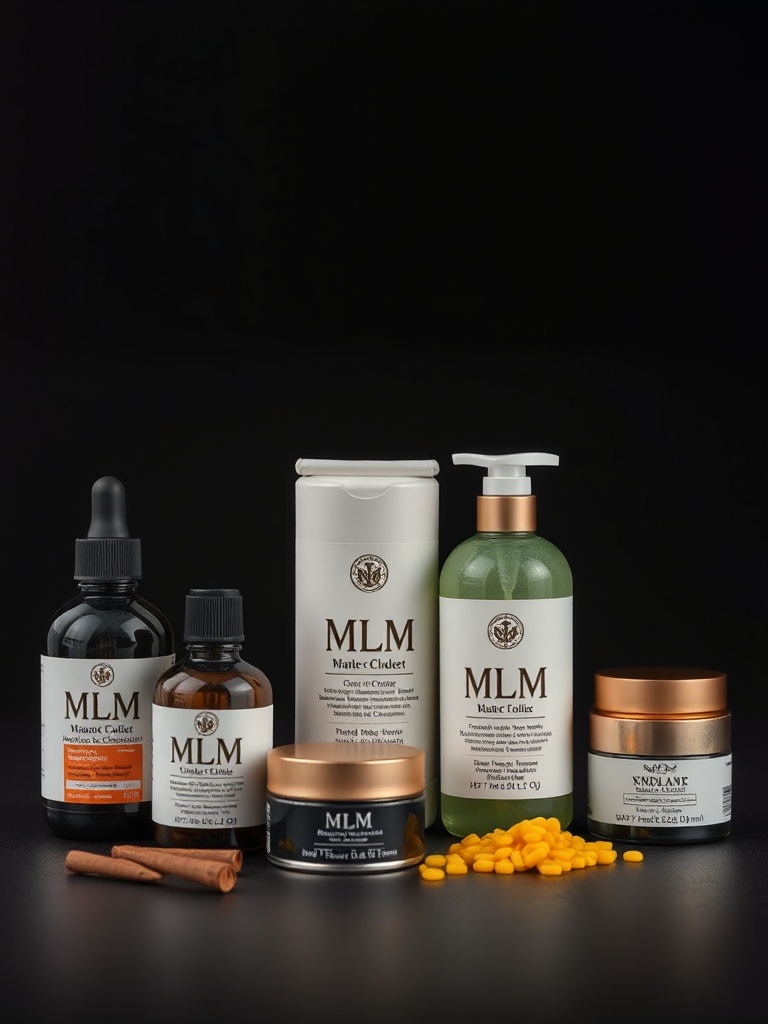
MLM products occupy a unique space where consumer goods and personal entrepreneurship intersect.
Whether you’re evaluating a product to buy or considering it as the centerpiece of a direct-selling business, focusing on quality, transparency, and sustainable marketing will pay off over the long run.
What to look for in MLM products
– Ingredient transparency and testing: Look for full ingredient lists, sourcing information, and third-party lab testing for supplements, cosmetics, or consumables. Independent verification reduces risk and builds trust with customers.
– Clear efficacy claims: Avoid offerings with vague or exaggerated promises. Products backed by peer-reviewed research, clinical trials, or verifiable case studies stand out.
– Return, refund, and sample policies: Generous, easy-to-use return policies and trial options (single-use samples, small starter packs) help customers try without heavy commitment.
– Manufacturing and supply chain standards: Good manufacturing practices (GMP) certifications, transparent sourcing, and ethical supplier relationships signal long-term reliability.
– Value and accessibility: Compare price-per-use to comparable retail products. A healthy balance between income potential for sellers and fair pricing for buyers sustains repeat business.
Red flags to watch for
– Heavy emphasis on recruitment over product sales: If compensation is driven primarily by signing new distributors rather than retail customers, the model may prioritize recruitment.
– Upfront inventory pressure: Programs requiring large inventory purchases or steep auto-ship commitments can signal inventory loading risk.
– Unverifiable income claims: Be skeptical of individualized income projections or promises of easy wealth.
Realistic, documented earnings disclosures are important.
– Lack of regulatory compliance: For ingestibles and topical products, check for appropriate labeling, safety reporting, and compliance with local regulatory requirements.
Marketing strategies that work
– Product-first storytelling: Highlight real benefits, usage scenarios, before/after evidence, and independent reviews. Customers respond to tangible value more than hype.
– Educational content: Create how-to guides, ingredient explainers, and demonstration videos to build authority and reduce buyer hesitancy.
– Social proof and micro-influencers: Authentic customer testimonials and niche influencers who demonstrate real results often convert better than broad celebrity endorsements.
– Subscription and retention tactics: Offer flexible subscription options with perks (discounts, small gifts, loyalty points) and clear cancellation policies to maintain trust.
– Transparent pricing and promotions: Show true savings and avoid “compare to” claims without substantiation.
Compliance, ethics, and sustainability
– Stay current with advertising guidelines and FTC-style requirements around income and health claims. Distributors should avoid promoting unverified cures or miracle results.
– Emphasize sustainability where possible: recyclable packaging, responsibly sourced ingredients, and waste reduction resonate with eco-conscious buyers.
– Foster community without pressure: A supportive culture that focuses on product education, customer care, and ethical selling keeps churn low and reputation high.
For consumers and sellers alike, the smartest approach is product-first: prioritize quality, transparency, and customer experience.
When a product stands on its own merits, the selling becomes natural, returns decline, and long-term relationships form. Evaluate offerings critically, verify claims, and choose partners whose business practices reflect long-term thinking rather than quick wins. This mindset protects both shoppers and sellers and helps the best products thrive in a crowded marketplace.