Multi-level marketing (MLM) products touch many households — from supplements and skincare to kitchen tools and household cleaners. Whether you’re evaluating a purchase or considering selling for extra income, understanding how to assess MLM products helps you get better value and avoid common pitfalls.
What MLM products usually offer
– Health and wellness: powdered shakes, vitamins, herbal supplements, protein blends.
– Beauty and personal care: anti-aging serums, soaps, makeup, hair treatments.
– Household and lifestyle: eco-friendly cleaners, cookware, essential oils, water filtration.
– Weight management and meal replacements: shakes, snack bars, appetite-control aids.
How to evaluate product quality
1. Ingredient transparency: Look for full ingredient lists with concentrations where applicable. Brands that disclose sourcing and active ingredient amounts show more accountability than those relying on vague “proprietary blends.”
2. Third-party testing and certifications: Independent lab tests, GMP (good manufacturing practice) certifications, and recognized seals for organic or non-GMO status lend credibility. For ingestible products, third-party testing for contaminants is especially important.
3.
Clinical evidence: Check whether claims are supported by peer-reviewed studies or clinical trials. Anecdotes and testimonials are useful, but they’re not substitutes for controlled evidence.
4. Safety and labeling: Clear dosage instructions, allergy warnings, and expiration dates matter. For topical or ingestible items, patch-test guidance or contraindications should be provided.
Pricing and real value
MLM pricing often includes the cost of the distribution model. Compare unit price and cost per use to similar retail or direct-to-consumer products. Consider subscription or autoship obligations; long-term commitments can inflate costs. If a product’s price is several times higher than comparable alternatives without clear evidence of superior quality, that’s a red flag.
Red flags to watch for
– Heavy emphasis on recruitment over retail sales: If most earnings examples hinge on building a downline rather than selling product, the model warrants caution.
– Vague income claims: Beware of income projections presented without clear assumptions or average earnings disclosures.
– Inventory loading: Pressure to buy large starter kits or to stockpile inventory is a common warning sign.
– Overstated health claims: Any product claiming to cure, treat, or prevent illnesses without credible evidence should be avoided.
Buying tips for customers
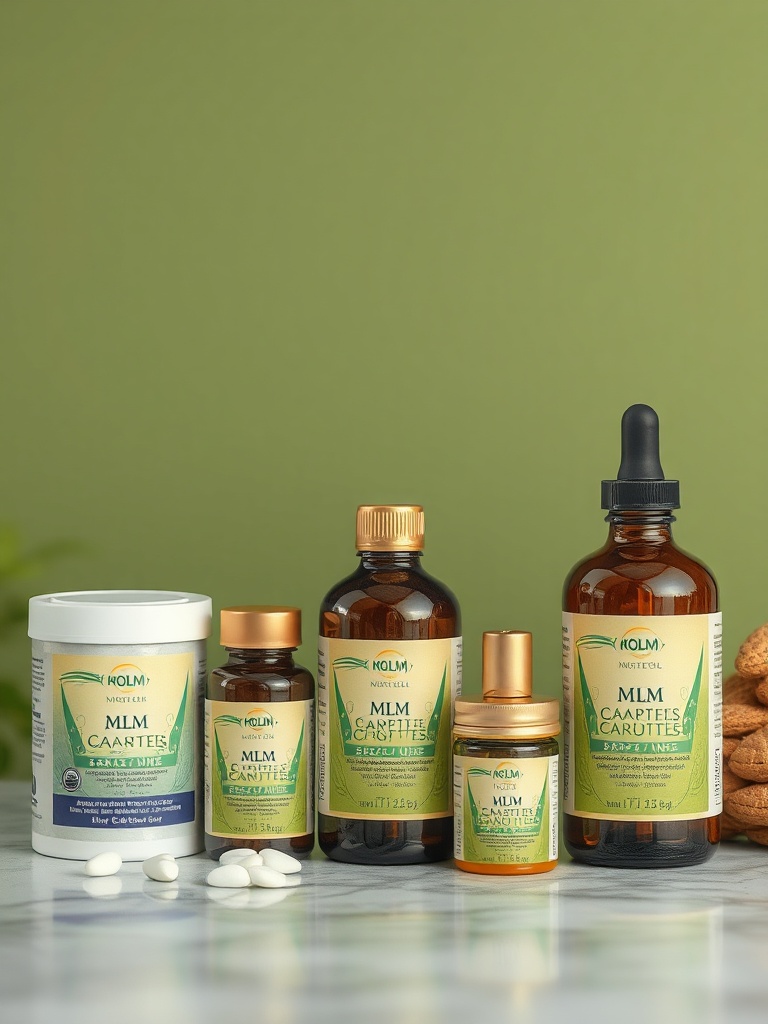
– Read independent reviews beyond company channels.
– Ask for ingredient lists, test results, and return policies before purchase.
– Compare long-term cost against alternatives.
– If using supplements, consult a healthcare professional, especially when combining with medications.
What prospective sellers should consider
– Research the compensation plan and how commissions are actually earned.
– Understand cancellation and buyback policies for unsold inventory.
– Evaluate training, marketing support, and brand reputation.
– Consider time investment versus realistic sales potential to determine whether direct selling fits your goals.
Final thought
MLM products can offer unique formulations and direct support that resonate with some consumers, but they also require careful scrutiny. Focus on transparent ingredient information, verifiable testing, fair pricing, and a business model centered on product demand rather than recruitment. Doing this short checklist before buying or joining protects your money and builds trust in any product you choose to promote.