Multi-level marketing (MLM) products remain a prominent part of the retail landscape, spanning categories from dietary supplements and skincare to home goods and essential oils.
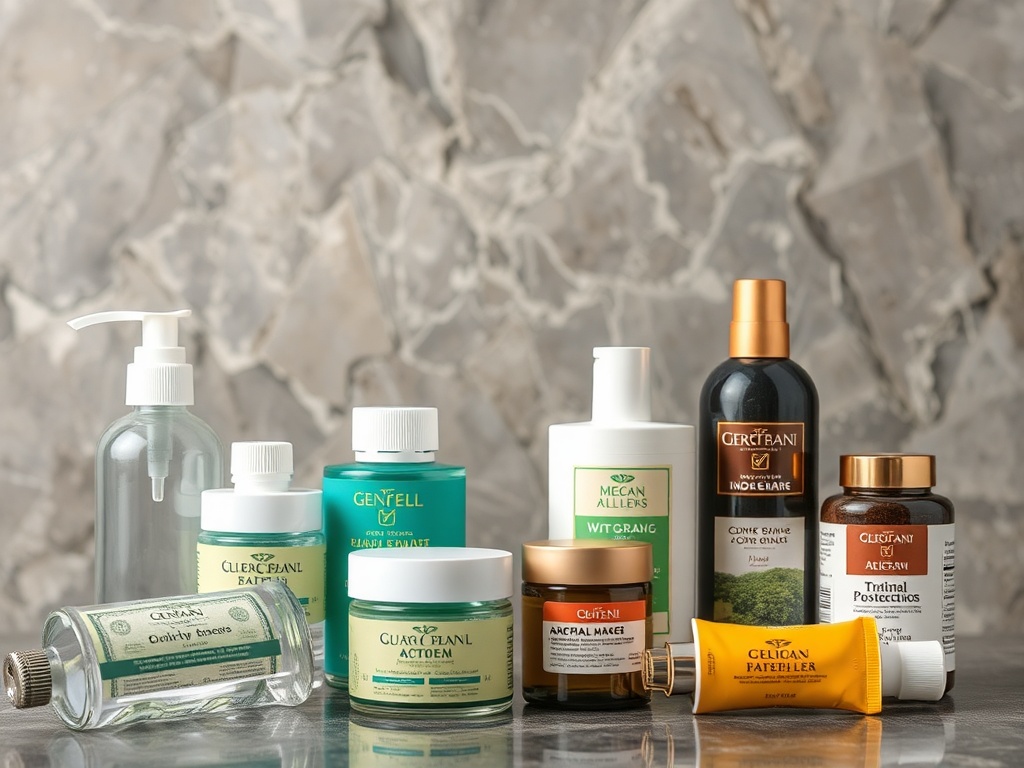
Whether considering a purchase or evaluating a business opportunity, understanding how to assess MLM products helps buyers get better value and avoid common pitfalls.
Common product categories
– Supplements and wellness: vitamins, protein powders, herbal blends, and weight-management products are staples. These often rely on compound formulations and performance claims.
– Beauty and personal care: anti-aging creams, serums, makeup, and haircare tools frequently appear in MLM catalogs.
– Essential oils and aromatherapy: single oils and blends marketed for mood, sleep, or cleaning purposes.
– Home and lifestyle: cleaning solutions, kitchenware, and small appliances promoted for convenience or eco-friendly benefits.
How to evaluate product quality
– Ingredients and formulations: look for full ingredient lists and clear explanations of active components. Transparency about concentrations and sourcing is a strong indicator of product credibility.
– Third-party testing and certifications: independent lab testing for purity, potency, and contaminants is vital for supplements and essential oils. Certifications like NSF, USP, or organic seals add credibility for specific categories.
– Clinical evidence and studies: review whether claims are supported by peer-reviewed research or at least well-documented clinical trials. Anecdotes and testimonials don’t replace rigorous evidence.
– Manufacturing practices: products made in GMP-certified facilities and under clear quality-control standards typically offer more consistent results.
Pricing and value
MLM pricing often includes markup to support distributor commissions. Compare the cost per use or per dose against similar retail or pharmacy brands. Factor in subscription models, membership fees, and shipping costs when calculating true value. Patience with trials and sample-sized products can help determine whether a pricier option justifies its cost over time.
Regulatory and safety considerations
Dietary supplements and cosmetics are regulated differently in various jurisdictions. Responsible sellers will provide appropriate labeling, usage instructions, and safety warnings.
For supplements, check for dosage clarity and potential interactions with medications. For topical products, patch testing is a simple safety step to avoid allergic reactions.
Common red flags
– Vague ingredient lists or proprietary blends that obscure dosages
– Bold health claims that promise cures or dramatic results without evidence
– Push for recruitment over product education — when income claims overshadow product benefits
– Complicated return policies or refusal to honor refunds for defective products
Tips for smart buying
– Seek independent reviews and third-party lab results rather than relying solely on distributor testimonials.
– Ask for a sample or trial period before committing to large purchases or subscriptions.
– Confirm return, refund, and expiration policies in writing.
– If the product is a supplement, consult a healthcare professional if pregnant, nursing, or taking medications.
– Compare unit pricing with mainstream alternatives to determine true value.
Final thought
MLM products can offer quality and innovation, particularly when companies prioritize transparency, testing, and fair pricing. By focusing on ingredients, third-party verification, and clear return policies, consumers can make informed choices that match needs and budgets without getting swept up in marketing hype.