Multi-level marketing (MLM) products cover a wide range: beauty, dietary supplements, essential oils, household cleaners, and wellness devices. Because these products are sold through personal networks rather than traditional retail channels, assessing their value requires extra diligence. Here’s a practical guide to evaluating MLM products so you can make well-informed purchasing decisions.
Why product quality matters
MLM products often come with premium pricing that funds commissions and marketing. Quality should justify that premium. Look for clear ingredient lists, independent testing, and verifiable claims about efficacy and safety. Products that rely heavily on anecdotal testimonials instead of clinical evidence deserve closer scrutiny.
How to evaluate ingredients and safety
– Read labels carefully. Check active ingredients, concentrations, and potential allergens.
– Look for third-party certifications such as Good Manufacturing Practice (GMP), NSF, or organic seals. These don’t guarantee effectiveness but indicate safer production standards.
– For supplements or ingestibles, verify whether the product has been tested for contaminants (heavy metals, microbes). Independent lab reports or certificates of analysis (COAs) are helpful.
– Consult a healthcare professional before using supplements, especially if you take medications, are pregnant, or have chronic conditions.
Assessing evidence and claims
– Clinical trials, peer-reviewed studies, and transparent data are strong indicators of a legitimate claim.
Be cautious when a product’s marketing uses vague language like “supports” or “promotes” without citing studies.
– Beware of disease-treatment claims. Legitimate consumer products avoid promising cures for medical conditions unless approved by regulators.
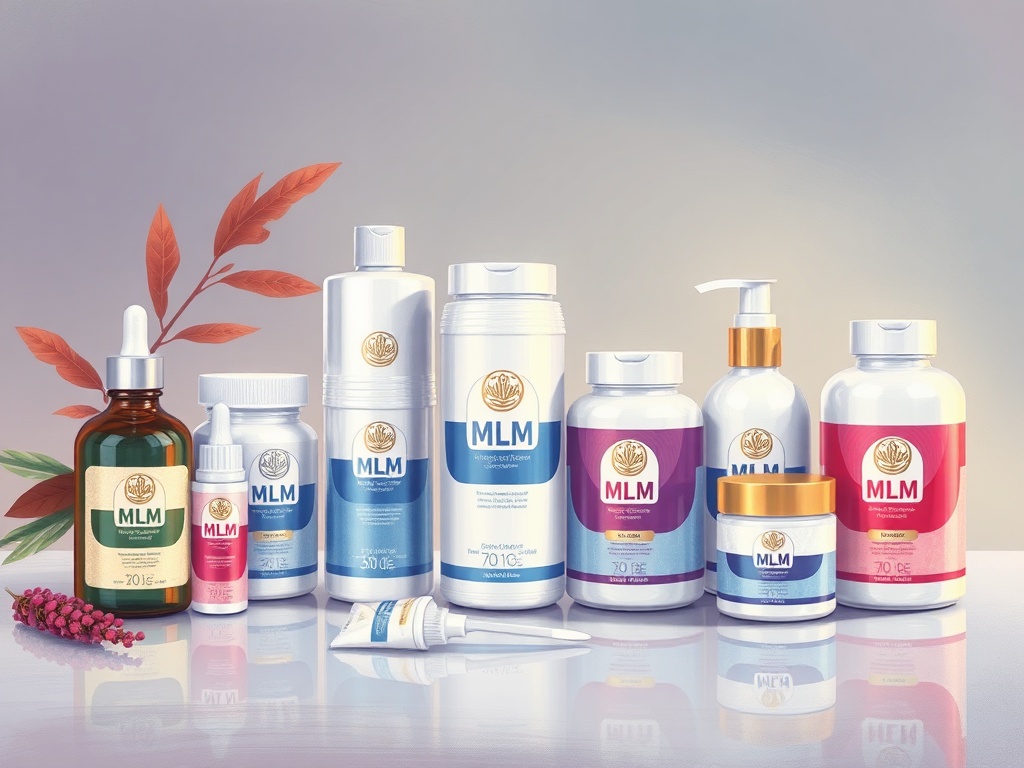
– Compare claimed benefits to similar consumer products sold through conventional retail — sometimes the formulation and results are comparable, making the MLM premium harder to justify.
Pricing and value comparison
– Compare price per unit and per active ingredient with comparable non-MLM products. High markups are common in direct sales, so evaluating value is critical.
– Consider trial sizes or starter kits to test a product before committing to regular purchases. Look into the company’s return policy and satisfaction guarantees.
Recognizing red flags
– Pressure to buy inventory to qualify for commissions (“inventory loading”) often shifts risk to the distributor. Be wary of heavy emphasis on purchasing more than you can reasonably sell or use.
– Recruiting-focused messaging that emphasizes income over product benefit suggests the company culture may prioritize sales structure over product quality.
– Lack of transparent business practices, ambiguous compensation plans, or difficulty finding independent product reviews are warning signs.
Finding reliable reviews and feedback
– Seek unbiased reviews from independent consumer websites, accredited reviewers, or scientific sources rather than only distributor testimonials.
– Social media can be useful but filter out paid promotions. Genuine user reviews often mention both pros and cons and provide context about usage patterns.
Choosing whether to buy or join
If you’re buying: prioritize product efficacy, safety, and clear return policies. If you’re considering joining as a distributor: evaluate startup costs, ongoing obligations, realistic income disclosures, and whether you personally believe in using the product long-term.
MLM products can be high quality, but separating marketing from measurable value takes research. Prioritize transparency, documentation, and independent verification to ensure that product benefits match the price and promises.