Multi-level marketing (MLM) products cover a wide range—nutritional supplements, skincare, cleaning supplies, and lifestyle gadgets. They’re convenient to buy through independent sellers and often marketed with strong personal testimonials.
That convenience and storytelling can hide important differences in quality, value, and transparency. Here’s how to evaluate MLM products so you spend wisely and avoid common pitfalls.
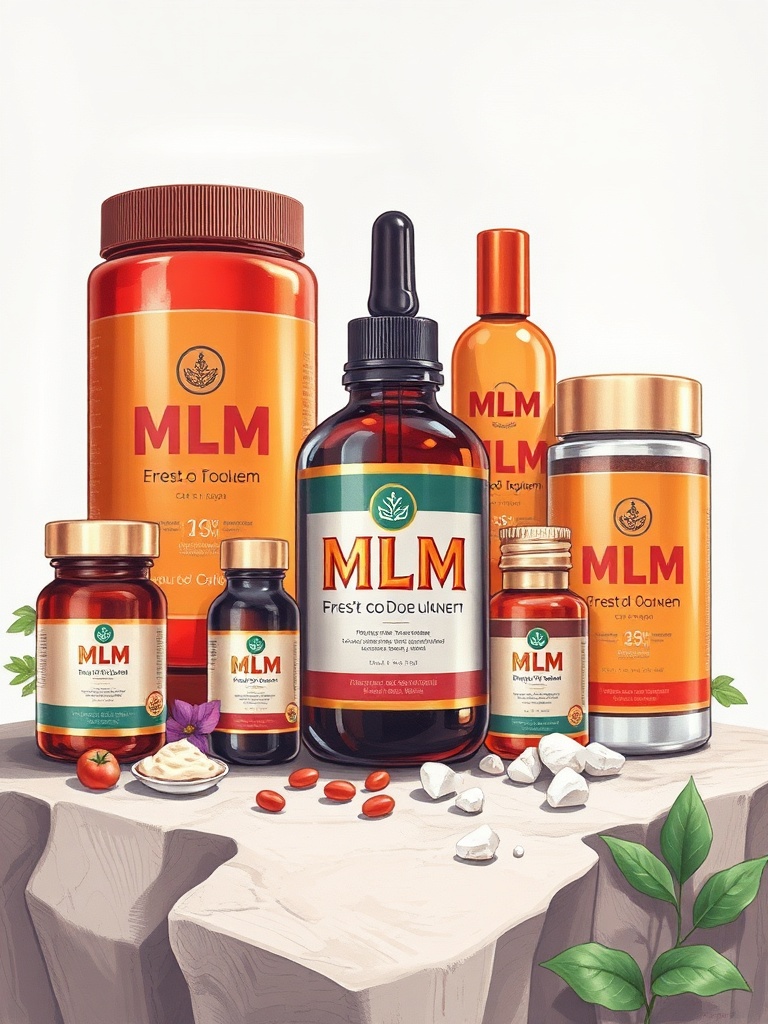
Understand product categories and typical claims
– Supplements often promise immune support, energy boosts, or detox benefits. Look for ingredient lists, dosage info, and evidence for claimed effects.
– Skincare or cosmetics usually emphasize natural or proprietary blends.
Check for active ingredients, concentrations, and non-comedogenic or hypoallergenic notes if you have sensitivities.
– Home and cleaning products highlight convenience and environmental benefits. Verify biodegradability, fragrance safety, and any third-party eco-certifications.
What reliable evidence looks like
– Ingredient transparency: Full ingredient lists should be clearly available on packaging or product pages. Proprietary blends deserve extra scrutiny—without breakdowns, it’s hard to know what you’re actually getting.
– Third-party testing and certifications: Independent lab tests, GMP (Good Manufacturing Practices) compliance, and recognized certifications for organic, cruelty-free, or eco-friendly claims add credibility.
– Clinical research: High-quality products may cite clinical trials or peer-reviewed studies. Look for accessible summaries and links to sources rather than vague references.
Pricing and value comparison
MLM pricing often includes distributor margins and potential business-building costs. Compare unit prices to similar retail or direct-to-consumer brands to judge value. Consider:
– Cost per serving (for supplements) or per use (for cleaning products)
– How long a product lasts based on recommended usage
– Whether subscription or auto-ship options are required to get the best price
Red flags to watch for
– Overly broad health claims: Promises to “cure” or “treat” medical conditions are a warning sign.
Legitimate products avoid bold medical claims unless supported by robust evidence and proper regulatory approval.
– Emphasis on recruitment over product sales: If the compensation plan or sales pitch focuses heavily on building a downline rather than product benefits, the business model may be the priority.
– Lack of refund policy or clear returns: Reputable sellers offer straightforward policies and customer support.
Questions to ask a seller
– Can you provide the full ingredient list and Certificate of Analysis (COA)?
– Is there third-party testing or independent verification of claims?
– What is the typical cost per month based on recommended use?
– Are there side effects, contraindications, or interactions I should know about?
Buying tips
– Patch-test skincare products before widespread use to avoid reactions.
– For supplements, consult a healthcare professional if you’re pregnant, nursing, taking medication, or managing a chronic condition.
– Keep receipts and product lot numbers, especially when participating in trials or promotions that might require returns.
When an MLM product is worth it
An MLM product can be a solid choice when it offers transparent information, independent verification, fair pricing, and positive, verifiable customer feedback. Sometimes the appeal also comes from convenience or the relationship with the seller. Evaluate those benefits against objective quality markers before deciding.
A practical checklist to carry with you
– Full ingredient list available? Yes/No
– Third-party testing or certifications? Yes/No
– Clear pricing and unit comparison done? Yes/No
– Refund/return policy clear? Yes/No
– Medical or health claims supported by evidence? Yes/No
Being an informed shopper makes it easier to separate well-made MLM products from marketing hype. Ask the right questions, compare objectively, and choose products that balance transparency, quality, and value.